


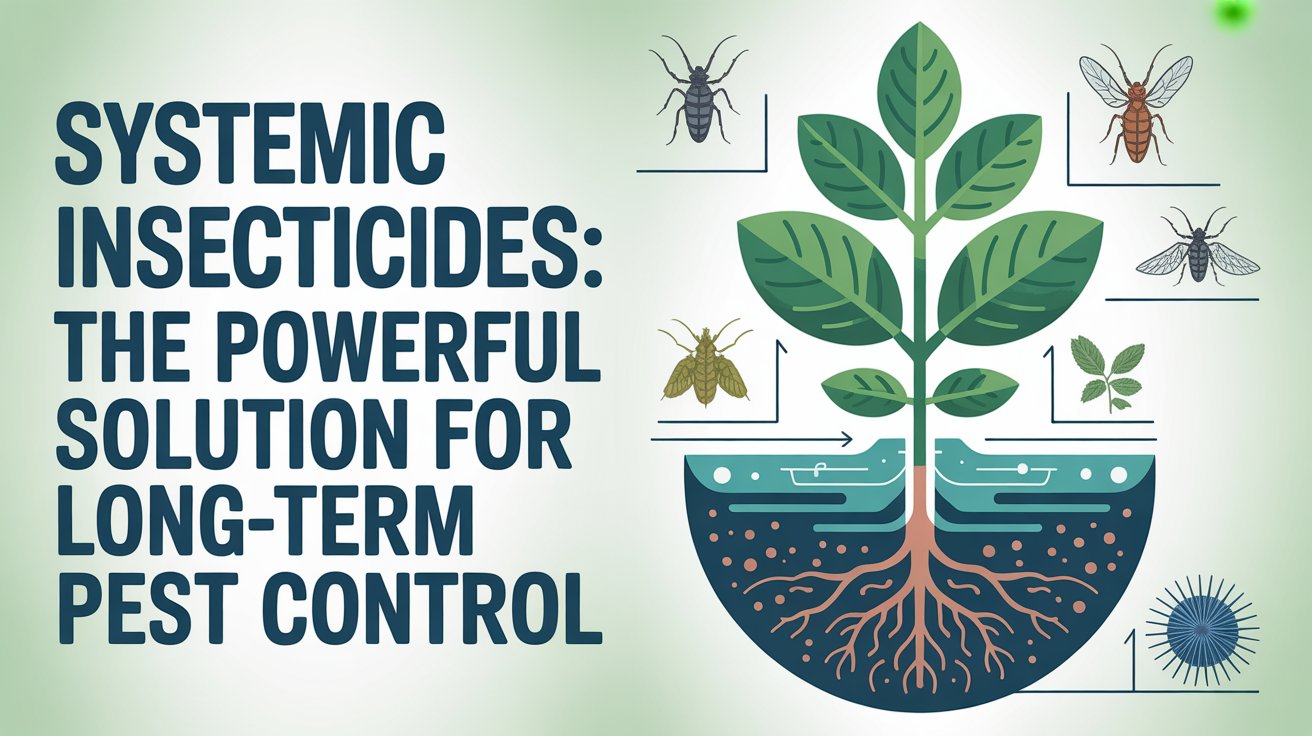
Systemic insecticides are modern pest control products that plants take up through their roots and divide amongst all parts of the plant. If an insect is feeding on the plant, it will also absorb the systemic insecticide through that same process. This is how insecticides like this control insect pests feeding on leaves, twigs, roots or sap from the inside of the hosting plant instead of externally spraying them.
Systemic insecticides generally provide longer-lasting control and reduce the frequency at which you have to spray compared to external insecticides. Systemic insecticides affect insect pests through ingestion only, meaning that it will kill larger pests that are hidden such as borers, aphids and leaf miners while leaving little or no residue on the surface of the plant material.
Typically, you will find insecticides in the following groups represented on the list: neonicotinoids, organophosphates, and certain carbamate families. Each is designed specifically to address the insect pests associated with different crops. Longer-lasting activity makes these products especially effective for protecting trees, plantation crops, and high value agriculture.
When used according to the label and other responsible practices, systemic insecticides are an extremely reliable, efficient, and long-term option for pest management. As a result, systemic insecticides play an essential role as tools in the integrated pest management (IPM) strategy of today.
Understanding Systemic Insecticides: What Sets Them Apart?
Systemic Insecticides are insecticides designed for use both as insecticides and for their systemic action of being absorbed and translocated throughout a plant. Systemic insecticides provide protection from pests by being present in the entire plant, including new growth, and therefore are highly effective for prolonged pest control of plants.
Systemic insecticides have a unique internal mode of action that makes them especially beneficial when applied to trees, large commercial plantations, or when applied to sites where insects are concealed inside the plant tissue or feed on the plant stem or sap.
Systemic Insecticide Definition
Systemic insecticides are chemical insecticides that enter a tree or shrub through its roots, stems, or leaves and then move through its internal tissues. When an insect eats the plant it is treated with systemic insecticide, it will consume the active ingredient and be successfully controlled.
Some major features of systemic insecticides are as follows:
- They are absorbed by the tissue of trees or shrubs
- They provide a long-lasting internal protective effect
- They are used primarily to control sap-sucking and boring insects
- They minimize the need for repeated superficial spraying
Some examples of systemic insecticides may include neonicotinoids, certain organophosphates, carbamate, and other sophisticated chemical formulations used for agricultural and horticultural purposes.
Difference Between Systemic and Contact Insecticides
Systemic insecticides differ significantly from contact insecticides in how they act and protect plants.

Role of Systemic Insecticides in Plant Protection
Systemic insecticides have emerged as an important component of modern agriculture and provide reliable and complete pest control in crops.
The contributions of systemic insecticides include:
- Protection of rapidly growing new plant tissue
- Control of pests in difficult to treat areas
- Support of integrated pest management practises
- Reduced amount of residue on surfaces compared to applying an insecticide more than once
Farmers can enjoy trusted, effective and participatory protection of their crops and trees through the use of systemic insecticides, along with other pest control methods.
The Science Behind Systemic Insecticides: How Do They Work?
Unlike topical formulations, Systemic Insecticides offer internal protection to plants. These advanced chemical formulations of insecticides allow for internal, plant-wide distribution and the ability to effectively control insect populations that have previously been impossible to communicate with via conventional methods of application like spray.
As such, much of their effectiveness can be attributed to how readily plants uptake, transport/distribute and retain the Systemic Insecticide inside their tissue, providing complete internal protection for the duration of the product’s intended use.
Uptake of Insecticides by Plants
The initial process of how systemic insecticides function is through absorption. These insecticides can be absorbed by plants via:
- Roots - granular application or soil drenching
- Leaves - foliar spray absorbs via stomata
- Trunk - injections in trees
When the active ingredient was applied, it would dissolve into the sap, and begin its way throughout the plant. Most of the regular list of systemic insecticides are easily soluble in water, allowing for smooth uptake and distribution.
Movement Within Plant Tissues
After absorption systemic insecticides travel throughout the vascular system of the plant largely through:
- Xylem – transports upward water and nutrients from the roots to all parts of the plant
- Phloem – distributes sugars and other nutrients throughout the plant.
Internal movement of the systemic insecticide will provide protection to:
- Leave
- Stems
- Flowers
- New growth

How Pests Are Targeted Internally
The method of targeting a pest's internal systems is the systemic insecticide. When a pest eats a plant that has been treated with a systemic insecticide, the pest ingests both the plant tissue and the active ingredient.
The process of controlling pests internally is as follows:
- The pest eats the plant
- The active ingredient in the plant enters the pest's body
- The active ingredient affects the nervous system or metabolic process of the pest
- The pest will either stop eating or become paralyzed
The conception of this method of pest control is highly successful against the following insects:
- Aphids
- Whiteflies
- Leaf miners
- Borers
Unlike surface insecticides that only target pests externally through contact with the surface of the plant, systemic insecticides provide more accurate and long-term control by targeting only one area of the plant (the internal system).
Major Benefits of Using Systemic Insecticides
Systemic insecticides are popular choices for use in agriculture and horticulture because they supply long-term, internal protection from damaging insect pests. The systemic insecticides move within the plant tissues rather than just on the surface (as do many conventional insecticides), so they provide ongoing and sustained protection, plus contribute to the overall strength and vigour of the plant.
Because of their advanced mode of action, systemic insecticides are frequently selected by agricultural producers, fruit growers, and landscapers who want effective and dependable methods for controlling insect pests.
Long-Term Pest Control
Systemic insecticides provide lasting protection against pests. These chemicals are absorbed into plants and remain effective for up to several weeks, with some formulations lasting even longer depending on how they're made.
The key benefits of systemic insecticides are :
- Continuous root to leaf protection
- Control of sap-feeding and concealed insect pests
- New growth protected without repeated applications
- Can be used on trees and perennial agriculture crops.
To provide long-lasting protection to plants and trees, you should choose a well-considered and systematic list of systemic insecticides, including those designed specifically for long-term crop & tree protection.
Reduced Application Frequency
Due to insecticides being internalized and having an extended residual period includes substantial opportunities to reduce the number of times an insecticide will need to be applied when contrasted against the use of contact insecticides.
Reducing applications has several advantages:
- Lower labour cost,
- Decreased fuel and equipment usage,
- Reduced risk of exposure while spraying,
- More efficient operations.

Improved Crop and Plant Health
Systemic insecticides safeguard plants through the suppression of insect feeding damage, allowing plants to maintain healthy plant growth and provide maximum yield. By controlling insect pest infestations in the pre-feeding stage, systemic insecticides can effectively allow plants to redirect their energy to grow instead of having to expend their energy in the recovery process.
Benefits for plant health include :
- Increased Root and Shoot Growth
- Reduced Stress from Insect Attacks
- Improved Flowering and Fruiting
- Increased Yield Quality and Market Value
The effectiveness of systemic insecticides works well in conjunction with other insecticide products in Integrated Pest Management (IPM) programs, creating a balanced and sustainable crop protection strategy.
Popular Types and Examples of Systemic Insecticides
There are many kinds of systemic insecticides with many different chemical formulations. These systemic formulations have been created for use against a variety of target pests and crops. The systemic formulations are absorbed by the crop (plant) and are translocated within the plant; therefore, these insecticides provide excellent control of all sap-feeding or concealed insects.
When farmers understand the types and formulations of systemic insecticides, they can make better decisions to protect crops against pests for longer periods of time.The method in which the active ingredients and application forms of systemic insecticides, will determine how quickly they work, how long they will be effective, and which types of pests they will be most effective at controlling.
Common Active Ingredients Used
There are a few groups of chemicals that position themselves as the leading supplier of systemic insecticides to pest control companies worldwide based on their action against individual pests and the number of pests they control within a chemical family.

These active ingredients disrupt the insect's metabolic functions or nervous systems after ingestion.
Granular vs Liquid Systemic Insecticides
Systemic insecticides are available in both granular and liquid formulations, depending on crop type and application method.

List of Systemic Insecticides Used in Agriculture
Systemic insecticides are often used in agriculture as an easily accessible source of all of the various types of products that have been developed for the use on crops, fruit trees, and plantation farming.
Examples of systemic insecticide products that are frequently used in agriculture are:
- Imidacloprid formulations (foliar and/or systemic)
- Thiamethoxam seed treatments
- Acetamiprid foliar treatments/fertilizer sprays
- Dimethoate systemic sprays
- Clothianidin soil treatments
The above insecticides are integrated into pest control programs in order to provide long term protection for crops, ensure stable yields, and ultimately promote plant health throughout their lives.
Application Methods: How to Use Systemic Insecticides Effectively
Correct application of systemic insecticides is crucial to ensuring their effectiveness by using the right technique. Systemic insecticides are absorbed inside the plant, therefore proper placement and timing of the application is essential to maximize their absorption into the plant as well as provide long lasting protection. The proper application technique allows for more efficient use, less waste and overall improved pest control results.
Three application methods of systemic insecticides—soil (through the root system of the plant), foliar (onto the leaves of the plant) or injection (directly into the plant)—allow you flexibility in applying the product depending on the type of plant you’re treating and how much of an infestation affects that particular plant.
Soil Drench and Granular Application
Soil-based applications are a popular means of applying Systemic Insecticides to trees, plantation crops, and providing long-term pest protection.
Soil Drench Application
- Liquid insecticide mixed with water
- Applied to the soil surface in the root zone area
- Insecticide is absorbed by the roots of the plant and moved in an upward direction
Granular Application
- Granules applied to the base of the plant
- Wet the granular with water, causing the insecticide to be released
- Gradual absorption provides extended residual protection

Foliar Spray and Injection Methods
Both methods are best applied to areas of the infested foliage that need to be quickly treated or targeted.
Foliar/Leaf Spray Application:
- The insecticide does not penetrate very deeply and is absorbed through leaf tissue.
- The insecticide will be taken up quickly, which leads to rapid insect control.
Trunk Injection Application—For Trees
- The insecticide is injected directly into the tree trunk.
- There is an immediate entry of the insecticide into the vascular system of the tree.
- There are ideal applications for heavy insect infestations.
Both methods are particularly effective at controlling actively infested insect populations requiring rapid treatment as opposed to standard surface insecticides.
Timing, Dosage, and Safety Practices
Timing and dosage are essential to the successful application of systemic insecticides in order to limit environmental impacts and the development of insecticide resistance.
Best Practice Guidelines
- Apply as soon as infestations start
- Apply per manufacturer's directions
- Do not exceed the maximum allowable dose
- Rotate the use of systemic insecticides to reduce the rate of resistance development.
- Wear appropriate personal protective equipment during application.

FAQs
Q1. What are systemic insecticides?
Systemic insecticides are insecticides that are absorbed by plants and transported internally to control pests that feed on plant tissues.
Q2. How long do systemic insecticides last?
They can last from several weeks to a few months, depending on the product, crop type, and application method.
Q3. What is a common list of systemic insecticides?
A common list of systemic insecticides includes imidacloprid, thiamethoxam, acetamiprid, clothianidin, and dimethoate.
Q4. Are systemic insecticides safe for plants?
Yes, when used at recommended doses, systemic insecticides are safe for plants and help protect them from damaging pests.
Q5. Can systemic insecticides be used with other insecticides?
Yes, systemic insecticides can be combined with other insecticides in integrated pest management programs for improved control.
Conclusion: Harness the Power of Systemic Insecticides for Efficient Pest Control Today!
Systemic Insecticides provide modern pest control solutions through internalization and extended protection against insect infestations that traditional surface applications cannot provide. Systemic insecticides move throughout the plant tissue to deliver protection against all stages of development of sap-feeding creatures and pests that are hidden. Therefore, growers are assured coverage from the roots to the newest growth of all plants treated with systemic insecticides.
They also provide growers with a means of reducing the number of applications, decreasing labor costs, and providing better overall health for their crops. Systemic insecticides represent a critical element of sophisticated agricultural production systems because of these benefits. By selecting and using the correct active ingredient from a well-defined list of systemic insecticides specific to the individual crop/pest combination, growers will experience greater efficiencies from fewer applications, as well as greater effectiveness from applying the systemic insecticide.
When appropriately used in conjunction with other insecticides following an Integrated Pest Management (IPM) strategy, systemic insecticides represent a balanced and sustainable means of managing pests. By using systemic insecticides in this manner, crop health, yield potential, and long-term crop protection will be improved.
