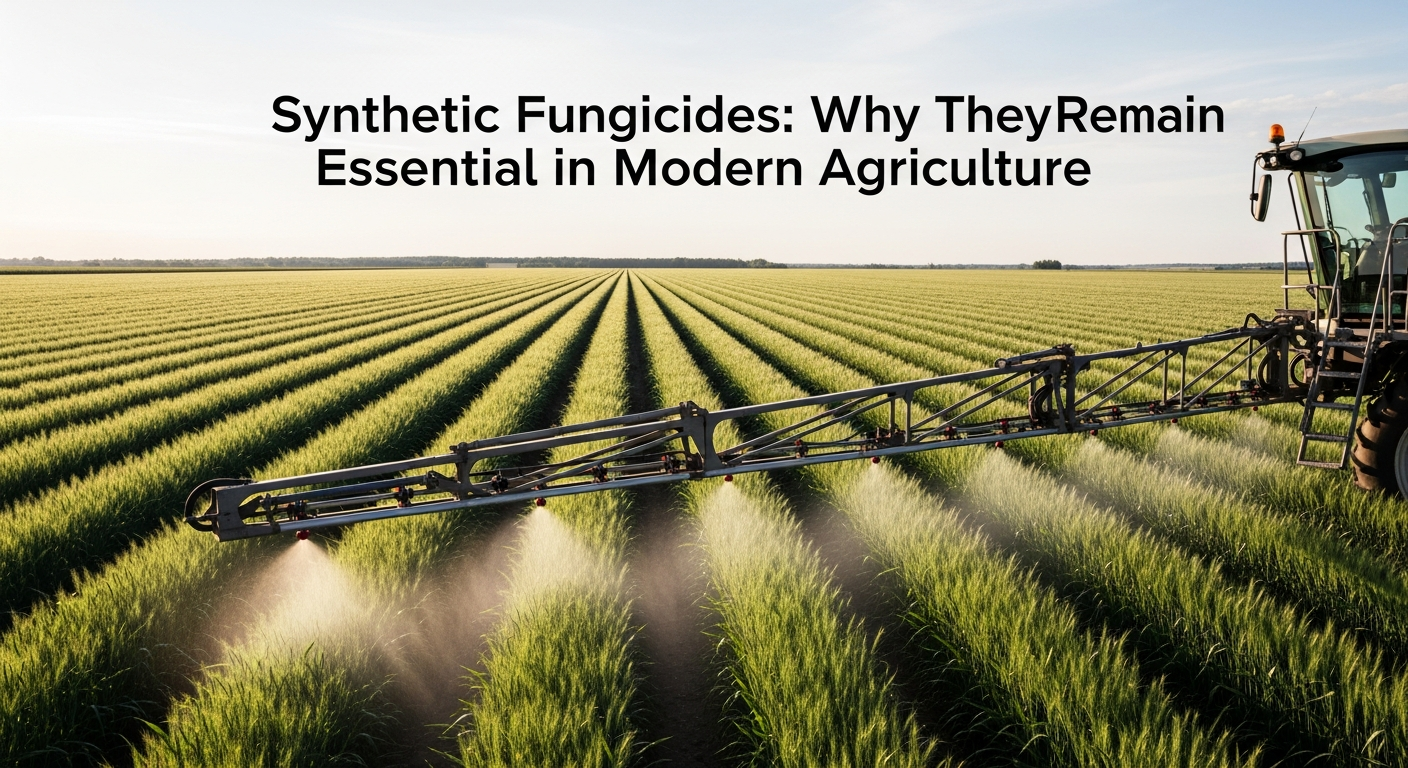
Farmers have been using synthetic fungicides to protect crops against the negative effects of fungal diseases on crops for decades via the crop protection method. During certain growth stages, environmental factors support the growth of pathogen-fungal crops. Farmers use synthetic fungicides to combat disease pressures associated with fungal diseases during specific periods when environmental conditions support pathogen development.
The majority of synthetic fungicides assist farmers in controlling a variety of pathogens, allowing farmers to reduce lost revenue by maintaining high-quality, consistent food supply. Synthetic fungicides also assist in developing healthy crops and preventing additional crop damage through the movement within the root zone to the leaf zone and leaf-to-fruit zone. Farmers utilize synthetic fungicides on many different crops, such as: Cereal Crops, Vegetables, Fruits, and Commercial Products.
When utilized responsibly and according to label directions, synthetic fungicides will allow farmers to produce predictable yields, protect their investments, and ensure continued safe and consistent food production worldwide, supporting the world's increasing population's demand for safe, reliable and sufficient food.
Understanding Synthetic Fungicides: Definition and How They Work
Synthetic fungicides are a type of chemical compound that have been specially designed to control (prevent) fungal infections in crops. Today’s modern agricultural industries will not survive without the use of these products. These products help protect plants against aggressive plant diseases that can be detrimental to yield and quality.
They are consistently used throughout the world in agriculture because of their reliability in controlling specific pathogens.
What Are Synthetic Fungicides in Agriculture
Synthetic fungicides are man-made chemical compounds that protect crops from fungal diseases (i.e., blight, rust, mildew, leaf spots, etc.).
Characteristics of synthetic fungicides include:
- Chemically formulated for the precise management of certain diseases
- Must be applied either to prevent the disease or to treat the disease depending on the product used
- Provide a viable solution for commercial producers growing large quantities of crop
- Used in the production of almost all the staples of the food supply, such as wheat, maize, soya, barley, potatoes, rice, fruits and vegetables
In general, synthetic fungicides are used when disease pressure is greatest, and a prompt response to prevent the loss of crop is essential.
How Synthetic Fungicides Work
Synthetic fungicides disrupt critical biological functions inside the fungal cell and inhibit its growth and spreading.
Synthetic fungicides accomplish this by:
- Inhibiting the process of germinating spores.
- Blocking respiration/cell division of the fungal cell.
- Inhibiting enzymes necessary for the survival of the fungal cell.
- Protecting the internal/external tissues of the plant from fungal infections.
Some synthetic fungicides provide contact protection only while others have systemic movement and provide longer-term protection through distributed protection to the entire plant.
Active Ingredients and Modes of Action
The activity of synthetic fungicides is dependent upon the active ingredients and the mode(s) of action used to attack a fungal pathogen.
Common modes of synthetic fungicide action include the following:
- Disruption of fungal cell membranes.
- Inhibition of sterol biosynthesis.
- Inhibition of mitochondrial respiration in the fungal cell.
- Inhibition of nucleic acid synthesis in the fungal cell.
Using different groups of synthetic fungicides, each with a different mode(s) of action, to target the same fungal pathogen will help reduce resistance and provide continued effectiveness.

The Role of Synthetic Fungicides in Crop Protection
Synthetic fungicides are a necessary part of protecting crops from harmful fungi, which can spread rapidly in a relatively short amount of time when conditions are right. As modern days, more farmers are practicing large-scale farming and climate in order to have high yield crops the way they do, meaning the demand for synthetic fungicides will be higher than ever before.
As such, synthetic fungicides are the best option available for growers as they provide a quick acting and consistent level of defence against fungal diseases at each stage of the growth process to help growers achieve the best possible crop.
Preventing Fungal Infections in Crops
The primary function of synthetic fungicides is to prevent and manage the establishment of fungal infections that lead to irreversible damage to crops.
Some examples of key contributions of synthetic fungicides are:
- Providing protection against the common diseases, such as rust, blights, mildew and leaf spot
- limiting the viability of fungal spores before they can spread throughout the farm land
- Reducing the risk of disease during periods of elevated humidity and moisture
- Providing protection to leaf, stem, root and fruit of the plant
By interrupting the fungal life cycle, synthetic fungicides can protect the crop throughout the critical growth phases, therefore decreasing the risk of crop failure.
Improving Yield and Agricultural Productivity
When plants are healthy, they produce higher quantities of quality produce. Synthetic fungicides improve overall production by reducing losses from disease.
Benefits of Increased Production from Healthy Plants:
- Increased Photosynthesis - Affected Leaves Produce More Energy.
- Increased Nutrient Absorption - Affected Plants Grow Better.
- More Uniform Plant Growth and Maturing.
- Higher Levels of Produce Quality and Quantity Sold.
In addition to high-value crops, synthetic fungicides provide economic protection to a farmer's investment and allow for consistent harvests for cereal crops.
Supporting Intensive Farming Systems
Modern agricultural production systems rely heavily on very high densities of plants and continuous planting cycles. Due to the very close proximity of multiple crop plants growing in a confined area, the likelihood of fungal infections is greatly increased.
Synthetic fungicides provide support for intensive systems through the following ways:
- Protection of Plants from Disease in Dense Crop Growing Systems
- Allow Multiple Crop Planting Cycles Each Year
- Protect Plants in Continuous Planting Systems
- Support Large-Scale Commercial Farming Systems
Without the support of synthetic fungicides, controlling disease outbreaks in intensive production systems would be extremely difficult to manage.

Types and Classes of Synthetic Fungicides Explained
Synthetic Fungicide is used to control fungus diseases effectively in most if not all types of plants and varieties of farms. Synthetic Fungicides are grouped or classified within Agriculture by their mode of action (MA) and mobility (MO). Understanding the types of fungicide available for purchase will help farmers select a fungicide that provides the greatest degree of protection against diseases and is less likely to develop resistance to a given fungicide.
Systemic vs Contact Fungicides
Systemic Fungicides and Contact Fungicides act differently with respect to plants.
Systemic Fungicide:
- Absorbed through the tissue of the plant and delivered to the inside of the plant (through cellular action).
- Provides protection to the new growth of the plant after it has been treated.
- Can effectively treat fungal diseases on the inside of a plant.
- Used for sprawled and/or persistent fungal diseases.
Contact Fungicides:
- Remain on the outside of the plant and kill Fungus Spores upon contact.
- Prevent Fungal Diseases from entering into plants but do not cure existing infections.
- Unless applied entirely over the exterior of a plant,
- contact fungicides need to be repeatedly applied for continued protection.
Both types of fungicides are commonly used in Agriculture together to provide continual protection against Fungus Disease through the entire growing season of a crop.
Common Synthetic Fungicide Classes
Synthetic fungicides are grouped according to their chemical structure and mode of action.
The main classes include:
- Triazoles - Affecting fungal development by inhibiting the production of sterols
- Strobilurins - Inhibiting the Fungal Respiration Process through energy blocking.
- Benzimidazoles - Interrupting Fungal Cell Division.
- Chloronitriles - Non-specific Surface Protective Fungicides.
Each Class of Synthetic Fungicides protects Target Species in a unique manner and, therefore, it is essential to rotate the use of Synthetic Fungicides among Classes to prevent the development of resistance in the field.
Broad-Spectrum vs Targeted Fungicides
Synthetic fungicides can also be classified by the number of different types of diseases they control.
Broad-Spectrum Synthetic Fungicides:
- Control a number of different fungal diseases.
- Valuable in preventing disease if you do not know what type of disease you have yet identified.
- Mainly used for Prevention.
Targeted Synthetic Fungicides:
- Developed for a specific Fungal Pathogen.
- More Accurate and Efficient.
- Minimal effects on Non-Target Organisms.
The correct use of the applicable Fungicide Class will enhance the effectiveness of your product while reducing unnecessary Chemical Residues.

Comparing Synthetic and Organic Fungicides
Fungicides are an important part of crop protection from disease caused by fungi; however, not every fungicide is the same. In today’s agricultural environment, a grower will often have to make a choice between synthetic fungicides and an organic fungicide depending upon the type of crop being produced and other factors including disease pressure, environmental conditions, and sustainability goals. A clearer understanding of how these two types of fungicides differ will aid in disease management decisions and improve productivity and soil health for the producer.
Synthetic vs Organic Fungicides
Synthetic fungicides are man-made chemicals/materials used to control a wide range of fungal diseases quickly and effectively. Organic fungicides are derived from plants, minerals or beneficial microorganisms.
Differences between Synthetic and Organic Fungicides:
- Synthetic fungicides provide rapid, broad-spectrum control
- Organic fungicides are typically less harmful to beneficial organisms
- Synthetic fungicides are often used in situations with high disease pressure
- Organic fungicides are often more beneficial to produce eco-friendly and residue-sensitive crops
In agriculture, both synthetic and organic fungicides serve a purpose depending on crop production needs and farming objectives.
Effectiveness and Limitations
Synthetic fungicides work to eradicate many of the same severe and rapid-spreading plant diseases that can impact agriculture as quickly as or faster than organic non-synthetic fungicides do when exposed to similar stimulating or environmental stressors.
Effectiveness Comparison:
- Synthetic Fungicides - Provide Strong Curative and Preventive Actions
- Organic Fungicides - Best for Preventive Type Treatment during Early Development Growth Stages or Low Disease Pressure
- Synthetic Fungicides - Provide Longer Protection Intervals
- Organic Fungicides - Due to the limited Persistence Generally and Sensitivity to Weather, these materials will not have the same protective effect as the synthetic materials.
It is important to strike a proper balance between effectiveness and sustainability when considering the application of these fungicides.
Resistance Management Strategies
Resistance is one of the largest challenges faced when using fungicides against a pathogen. Fungal pathogens can adapt quickly when cared for with the same fungicide on an ongoing basis.
Best Practices for Resistance Management Include:
- Rotate fungicides that utilize Different Types/ Modes of Action
- Utilize Different Types/Speed of Action when Continuously Using the Same Synthetic Fungicide
- Utilize Combination Treatments of Chemical, Organic, and Biological Fungicide Products
- Do not apply any Man-Made Synthetic Fungicide unless you believe that there is a High Risk that Disease Is Present at the Time of Application
Follow the Dosages and the Recommended Application Interval Directions located on the Product LabelBy integrating both synthetic and organic fungicides into a resistance management strategy you will ensure Long-Term Effectiveness and Increased Crop Production.

Safety, Regulation, and Responsible Use of Synthetic Fungicides
Synthetic fungicides are a key part of Agriculture Modernisation. Whether synthetic fungicides are effective depends largely on their safe, regulated and responsible use. Synthetic fungicides are controlled by stringent regulatory systems to provide safe food, a healthy environment and to promote Healthy and Safe Farm Workers. It is important to learn how fungicides are regulated and used to take full advantage of the benefits while minimising the risks of using them.
Fungicide Regulations and Residue Limits
In the United States, the Environmental Protection Agency (EPA) regulates synthetic fungicides to ensure they are safe for crops, consumers, and the environment.
Key regulatory components of fungicide regulation include:
- Before a fungicide can be registered for use in a crop, extensive toxicological and field data must be collected
- Each registered fungicide has a defined Maximum Residue Limit (MRL), which is critical for food safety.
- There are restrictions for a specific Waiting Period/Pre-Harvest Interval related to the use of fungicides in a crop.
- Each registered fungicide has a clear label specifying the dosage to use, the crop it is approved for, and safety instructions for its use.
These regulations help to ensure that the application of synthetic fungicides used in agriculture will leave residues on produce within the safe limits and will therefore protect the health of the domestic consumer and the standards for exporting markets.
Environmental Impact of Synthetic Fungicides
The efficacy of synthetic fungicides is unquestionable; however, the environmental ramifications due to synthetic fungicides must be taken into account.
Examples of environmental effects include:
- Misapplication of synthetic fungicides may have an adverse effect on non-target organisms.
- Synthetic fungicides may remain on the soil or water and accumulate.
- High levels of synthetic fungicides may reduce microbial diversity.
Examples of mitigating strategies include:
- Use of the recommended dose(s) only.
- Rotating types of synthetic fungicides based on their unique mechanisms.
- Avoiding application(s) of a synthetic fungicide prior to rain.
- Utilizing synthetic fungicides in conjunction with biological and cultural approaches.
Once again, the use of synthetic fungicides responsibly protects crops while avoiding long-term ecological impact.
Safe Use Practices for Farmers
The health and safety of farmers are a crucial facet of responsible use of synthetic fungicides. The practices listed below represent the best means of ensuring farmer safety while using synthetic fungicides:
- Wearing protective equipment (gloves, masks, etc.)
- Adhering strictly to label directions.
- Storing synthetic fungicides properly (i.e. away from food, water, etc.)
- Disposing properly of empty container(s) and any leftover solution(s).
When farmers follow these practices, they can remain healthy citizens capable of maintaining their productivity as farmers while ensuring that synthetic fungicides remain safe for everyone who uses them.

The Future of Synthetic Fungicides in Agriculture
Fungicides produce synthetic materials that continue to be the primary means of protecting our food supply against severe fungal diseases caused by the environment. Currently, the agriculture industry is experiencing the development of more advanced products that enable growers to use less quantity per acre while providing more effective protection against their fungal disease problems.
Next-Generation Synthetic Fungicides
Many of the new Synthetic Fungicides are being developed with a higher level of efficacy at much lower rates and precisely target specific fungi.
These advancements include;
- Developing advanced products with new pH values and enhanced watering characteristics,
- Creating Modes of Actions (MOAs) that specifically target the fungal organisms without any negative impact on non-target organisms,
- Downsizing the application rates while providing equal (or greater) levels of fungal disease control,
- Increasing the ability of the products to resist rainfall/droplets and improve their stability under variable environmental conditions.
This advancement will enable farmers to provide a higher level of effective protection to their crops and reduce their cost of chemical application. Modern day fungicides can also be developed with the intent of eco-friendly farming systems without compromising on yield protection.
Integrated Pest Management (IPM)
The use of synthetic fungicides can be effective, however, the environmental risk associated with this product must be managed responsibly.
Possible environmental effects:
- If improperly applied, there is potential for the pesticide to affect non-target organisms.
- Residue accumulation in both soil and water.
- The use of excess amounts of fungicides can decrease the diversity of soil microorganisms.
Ways to reduce the impact on the environment:
- Always use only the recommended amount of fungicide.
- Use different modes of action for fungicides in rotational applications.
- Avoid applying fungicides when heavy rains are expected.
Using synthetic fungicides appropriately will help to prevent long-term environmental impacts while providing the maximum potential yield for growers.
Reducing Overuse Through Technology
The health and safety of farmers is an important aspect of using synthetic fungicides. Best practices for farm safety include:
- Always wear a pair of protective gloves when using synthetic fungicides, and use a mask and the proper clothing.
- Follow manufacturer's directions for application.
- Store the fungicides in a cool, dry, dark location, and away from food and drink.
- Properly dispose of empty containers and any unused product in the trash.
By utilizing these recommended practices, synthetic fungicides can be maintained as safe tools to enhance productivity without endangering the safety of the farmer or their family.

FAQs:
Q1. What are synthetic fungicides used for in agriculture?
They are used to control and prevent fungal diseases that reduce crop health and yield.
Q2. Are synthetic fungicides necessary for modern farming?
Yes, they are essential for managing severe disease outbreaks and ensuring stable food production.
Q3. How do fungicides in agriculture improve yields?
They protect crops from infections, allowing plants to grow healthier and produce higher yields.
Q4. Are synthetic fungicides safe when used correctly?
Yes, when applied according to label instructions, they are safe for crops, farmers, and the environment.
Q5. Can synthetic and organic fungicides be used together?
Yes, they can be combined as part of integrated pest management to improve disease control and reduce resistance.
Conclusion: Making Informed Choices About Synthetic Fungicides in Agriculture
In agriculture, synthetic fungicides continue to play an important role in protecting crops against the damaging effects of ransomware infections, providing farmers with a means of ensuring continued production of food crops and stable yields. When used in conjunction with the appropriate selection criteria and application procedures, synthetic fungicides are invaluable to agricultural producers, enabling them to maintain yield levels and cultivate high-quality food crops that can meet the increasing global demand for food. Combining the efficacy of synthetic fungicides with stringent regulations ensures that synthetic fungicides provide today’s farmers with viable solutions in their farming practices and operations.
The long-term viability of using synthetic fungicides is directly linked to the informed and responsible use of these products. To ensure that there is minimal risk of damaging soil health, soil productivity, or adversely impacting neighbouring ecosystems, farmers must be educated on the appropriate pesticide application limits, potential environmental effects associated with improper application, and the development of fungal resistance to synthetic fungicides.