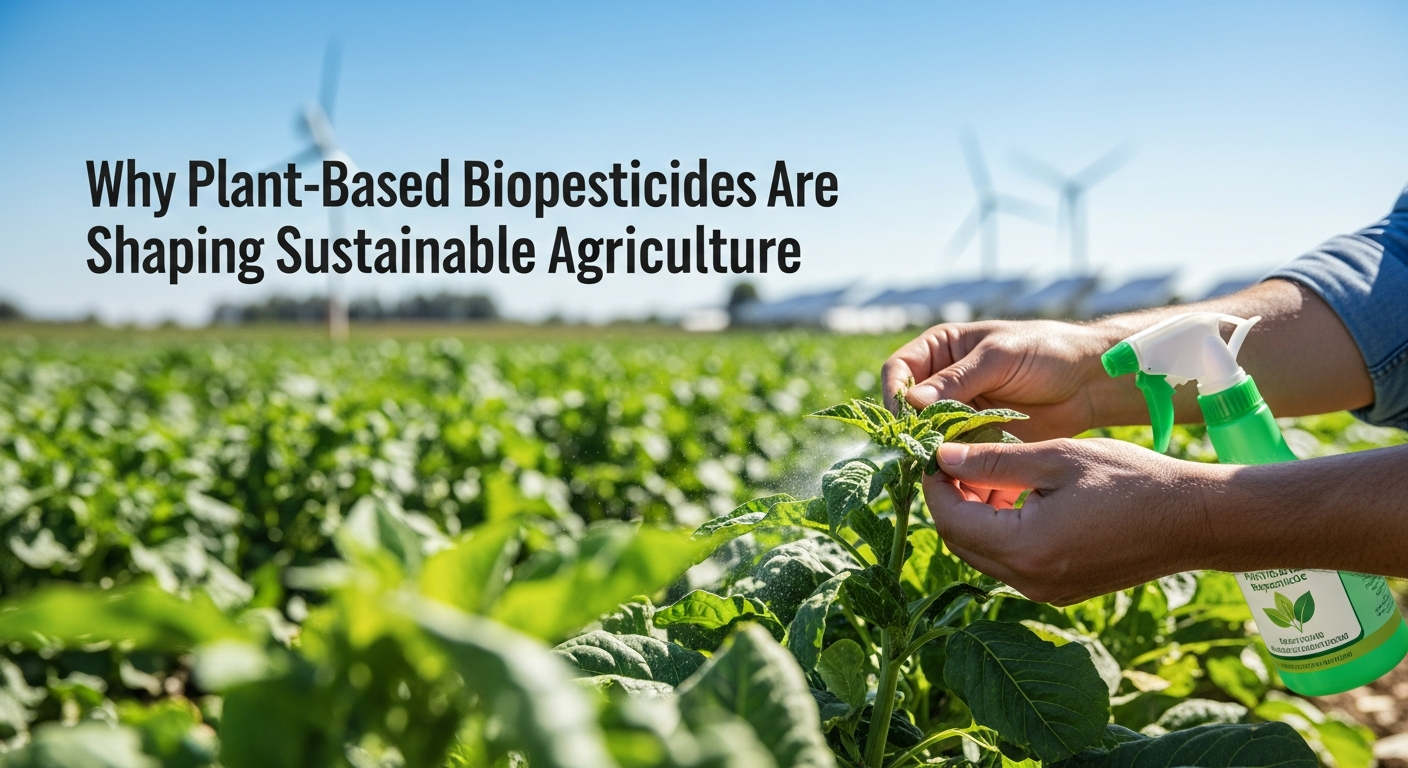
The use of plant-based biopesticides is the same as traditional farming using herbs, seeds, oils and extracts from plants; these have been used in agriculture for many years. Plant-based biopesticides act in a safe and environmentally acceptable manner to protect the environment and soil health. Plant-based biopesticides work like a food to gently nourish the plants while defending against pests.
The active ingredients within plant-based biopesticides either repel pests, disrupt their life cycles or make it impossible for them to infest the plant; however, these methods are gentle on crops. Most plant-based biopesticides include neem oil, garlic oils, chili-based sprays and essential oils. These products help Farmers to effectively manage pests without using chemical pesticides. Biodegradable plant based biopesticides are much easier on the soil and can be used for years to come.
Introduction to Plant-Based Biopesticides in Agriculture
Agricultural practices are moving towards using biopesticides made from plants because of a demand for pesticide safety and sustainability. This is due to the fact that these types of products do not damage crops, soil or beneficial organisms. Biopesticides are gaining importance because they offer an alternative to the growing concern among farmers regarding the use of chemical residuals and the associated negative effects of chemical pesticides on the environment.
What Are Plant-Based Biopesticides?
Plant-based biopesticides are products that control pests using natural compounds derived from plants
- Plant-based biopesticides are made using extracts of plants such as neem, garlic, chiili, and eucalyptus etc
- They act as repellents, growth inhibitors, and hunger suppression agents
- Plant-based biopesticides break down into harmless forms and can be used safely on crops and the environment
Plant-based biopesticides work differently than synthetic chemical products. Plant-based biopesticides use naturally occurring compounds that pests cannot tolerate while crops can. One of the most common plant-based biopesticide examples is neem oil which contains the ingredient azadirachtin. Other common examples of plant-based biopesticides include garlic extract and different essential oils. Plant-based biopesticides will provide successful pest management to help sustain the natural balance of the crop in the agricultural field.
Role in Sustainable Crop Protection
Plant-based biopesticides protect crops while preserving the farm ecosystem.
- They specifically target damaging insect pests while protecting beneficial (i.e., helpful) insects.
- They provide lower pesticide residues (chemical residues) on the food grown.
- They promote beneficial soil microorganisms and provide habitat for natural pest control agents (e.g., spiders, wasps).
A major benefit of bio pesticides is its contribution to sustainable crop protection. Bio pesticides are able to protect crops from damaging pests without harming soil or water quality. Because they are selective in their action, bio pesticides are perfect for all fruit, vegetable, cereal, and pulse crops produced under a sustainable and organic agriculture system.
Importance in Modern Farming Systems
Modern agriculture requires solutions that will provide farmers with the opportunity to create a more environmentally friendly way of producing crops while still allowing farmers to be productive.
- They can be used with both organic and IPM strategies
- They slow down pest resistance build-up.
- They support a climate-resilient farm.
As a result of the need for sustainable, long-term solutions versus short-term "fixes", more farmers are incorporating plant-based biopesticides into their routine crop management program. The incorporation of bio pesticides in crop management provides for fewer chemical applications, improved crop health, and the production of crops that are residue-free (free of pesticide residues) thus making the crop more profitable and sustainable.

The Science Behind Plant-Based Biopesticides
Plant-based biopesticides are based upon scientific principles that are closely aligned with nature. They are derived from plants, herbs, seeds and essential oils, and provide crop protection using naturally occurring substances that plants have developed as a means of protecting themselves against pests over time. Knowledge of the science of plant-based biopesticides enables farmers to apply them with greater efficiency and confidence in sustainable agriculture.
Natural solutions are an important part of bio pesticides and are environmentally friendly methods of targeted pest control and crop protection that do not damage soil ecosystems.
Botanical Pesticides and Phytochemicals
Botanical pesticide; These products are derived from plants that have developed the ability to repel or otherwise control pest populations.
- In the context of this article, plant based pesticide is represented by the following common examples of botanical pesticides.
- Neem, pyrethrum, garlic, chilli peppers, and eucalyptus are common sources of botanical pesticide.
- All botanical pesticide contain phytochemicals (chemicals of plant origin); however, botanical pesticides supply powerful pest control simply by being from a plant.
Botanical pesticides such as neem and pyrethrum, do form basic components of organic and integrated (conventional) farming systems. Pesticides produced from plants provide protection against many types of pests; they are biodegradable and provide a long-term source of pest control.
Because botanical pesticides and phytochemicals come from plants; they do not negatively impact soil, whereas other forms of bio-pesticides may cause harm to soil.
Mechanism of Action Against Pests
Plant Biopesticides use many biological pest management methods.
- Creates unpleasant scents or tastes causing the pest to "cut and run".
- Changes the way the pest feeds
- Disturbs the normal stages of development and lays eggs of the pest
Written Description: Instead of instantly killing pests like chemical pesticides, biopesticides slow down a pest's ability to survive. This system of multiple activities decreases the pest's potential to exist by limiting its food and reducing its chance of reproducing. So while they may not provide immediate kill or immediate plant shock, biopesticides can help to reduce the pest pressure on plants and help to conserve the overall ecosystem.
Bioactive Compounds in Pest Control
The bioactive compound that is the active ingredient in biopesticides is responsible for a majority of the effectiveness of biopesticides.
- Azadirachtin, which is derived from neem, has an effect on the hormones that control insect growth.
- Pyrethrins are toxic to the nervous system of the insects.
- Essential oils are lethal to pest cells via damaging the cell membrane.
Written Description: These natural bioactive materials provide examples of the best effective forms of biopesticides. Because bioactive materials have the ability to change pest biological processes, they provide a means for controlling pest populations with an extremely small environmental impact; as a result, bioactive materials support and enhance the ecological balance, while also protecting crops from pest damage throughout the season.

Key Benefits of Plant-Based Biopesticides in Agriculture
Biopesticides based on plants are biopesticides designed by nature and dependent on strong principles of science. Biopesticides based on plants are made with natural substances, including plant materials such as leaves, flowers, seeds, bark and wood. Throughout their existence in the wild, plants have used natural substances as protective measures against pests; thus, understanding how to apply biopesticides based on plants will allow farmers to make better and more confident use of these products within sustainable agriculture systems.
Environmentally Friendly Pest Control
Botanic pesticides come from plants that have been used to repel or kill insects. Examples of common sources of botanicals for biopesticides include neem, pyrethrum, garlic, pepper and eucalyptus.
- Botanic pesticides are comprised of phytochemicals such as alkaloids, polyphenolic acids, terpenes, and phenolic compounds.
- Botanical pesticides can be utilized in biological and integrated farming systems.
Botanical pesticides are used to protect crops in agriculture just as plants protect themselves. They are made from plant-derived materials and contain compounds similar to those found in plant extracts. As well, the natural origin of botanical pesticides ensures that soil health and the beneficial organism present in soil will remain intact and provide a safe and reliable way to protect crops for many years.
Reduced Chemical Residues on Crops
Food that is often sold without residue has become increasingly popular with consumers both in the U.S. and around the world.
- Food has minimal to no toxic chemicals left over after harvesting.
- Manufacturers of organic food are able to sell their products more easily because they follow the same guidelines as other food processing operations.
- Consumers are able to purchase safer, clean foods because they can trust the Manufacturer of Organic products to provide them with safer foods.
When farmers use biopesticides, they will Lower the amount of chemical residue found on crops. This will give them an advantage over Farmers who do not use biopesticides.
Safety for Pollinators and Soil Health
Biopesticides are created with plants that will only kill insects that are bad for the plant, not insects that are good for the plant.
- Bees, butterflies, and other pollinators are not harmed by biopesticides.
- Beneficial microorganisms in the soil are not harmed by biopesticides.
- As time passes, Microorganism populations continue to improve.
Healthy soils and active pollinators are key components of Sustainable Agriculture. Biopesticides preserve these two components by only being effective against pest insects. Therefore, biopesticides allow the plant to produce crops in a natural way, as well as maintain the soil structure and biological activity for a long period of time. Chemical-derived pesticides destroy both soil structure and biological activity.

Common Plant Sources and Examples of Biopesticides
Biopesticides are made from plants for many thousands of years, even before synthetic chemicals existed; the biopesticides made from plants have become increasingly important to farmers as they seek out safe, natural and environmentally sustainable pest control options for their crops. They are derived from plants that produce chemicals that repel the insects, disrupt their life cycles or will reduce the impact of their infestations on the crops without harming the crops or the environment.
Neem-Based Biopesticides
Neem is one of the best-known, most widely used forms of plant-based biopesticides.
- They come from both the seeds and leaves of the neem tree, and from the oil of the neem tree.
- Neem biopesticides eliminate a wide range of pests, including bugs, spiders, nematodes, and fungal diseases.
- They act as an insect repellent, inhibit growth and deter feeding behavior of insects.
Neem contains many naturally-occurring compounds, with azadirachtin being the leading compound. Azadirachtin works by disrupting normal growth and reproduction of insects, etc. They are considered safe for crops, beneficial insects, and soil microorganisms. Due to their broad spectrum effectiveness with low toxicity to non-target insects, neem products are widely used for vegetable, fruit, and cereal crops, as well as in organic farming systems.
Pyrethrum and Chrysanthemum Extracts
Pyrethrum comes from Chrysanthemum Flowers. Pyrethrum (and) is a Quick-Acting Insecticide.
- It's Effective Against Aphids, Thrips, Beetles, and Flies.
- Pyrethrum Works by Affecting the Nervous System of Insects.
- Pyrethrum Will Degrade Quickly in the Soil or Water After Application.
In the U.S., pyrethrum is common in organic farming. Its use is encouraged due to its effectiveness and natural-source characteristics. Organic farmers often use pyrethrum as a pre-harvest spray to control large populations of pest insects in their vegetable crops, or to help prevent pest damage while planting.
Garlic, Essential Oils, and Plant Extracts’
Many Commercially Available Plants Have Natural Pest-Repelling Properties.
- Garlic Extract Can Keep Pests & An Infected Plant Away From Each Another.
- Essential Oils Like Eucalyptus, (Peppermint), Clove, & Onions Can Help Deter Pests.
- Chili Pepper & Onion Extracts Are Also Feeding Deterrents for Pests
Garlic and Essential Oil Extracts Are Used to Control Most Types of Insects. They Are a Safe and Versatile Product because They Deter Insects from Feeding or Reproducing. In Addition, Garlic and Essential Oils Generally Have Minimal Environmental Impact & Are Easy to Prepare.

Application Methods and Best Practices for Farmers
Application methods and timings associated with applying plant based biopesticides are just as important as the product itself for achieving maximum pest control effectiveness. Proper applied plant based biopesticide solutions will help provide optimal pest control and protection for crops, soil and beneficial organisms. Adhering to proper application will provide farmers with the greatest benefit from the application of biopesticides and will ensure similar levels of pest control in their fields.
Below is a list of the key application methods and best practice guidelines for the application of biopesticides.
How to Use Plant-Based Biopesticides
"Plant-Based Biopesticides" is a term given to products made from natural extracts and/or oils from plants that often act as repellents, growth disruptors (e.g., inhibit growth), or feeding inhibitors.
- Examples of Biopesticides are: Neem oil, garlic extract, chilli-based spray, and essential oils.
- It is important to mix all biopesticide products according to the recommended rates to avoid causing crop stress.
- Farmers should monitor their pest numbers regularly so they know how effective the applications are.
Just as when you need proper nutrition for healthy plant growth, it is also important to time your applications of plant-based biopesticides correctly. If you wait too long to apply biopesticides or if you wait until the pest levels get too high, you will not be able to effectively control those pests and as a result, will have to continue applying multiple applications of that biopesticide product. Natural-based biopesticides should generally only be applied when there is a threat of pest infestation before it actually occurs. They are most effective when used as an early intervention method.
Foliar Spray and Soil Application Techniques
The method of application for each type of pest is different for effective control of the pest.
- Foliar sprays are used for all leaf-feeding and sucking insect types
- Soil applications will reduce nematodes and root disease,
- The best time to spray is early morning/evening to maximise absorption.
While foliar sprays allow bio-pesticides direct contact with insects, they can be an ideal solution for above-ground infestations. Soil applications help control nematodes and fungal pathogens at the plant's root zone. Proper watercleaning methods, appropriate spray pressure, and even coverage will allow all bio-pesticides of plant origin to work as intended without wasting product.
Integration With IPM Programs
The most significant benefit of using a biopesticide from plant sources is to integrate it into an Integrated Pest Management (IPM) program.
- Combined with crop rotation and resistant crops.
- Utilised in conjunction with traps and biological predators (parasitic insects).
- Applicable to reduce the dependence on chemical pesticides.
Including an IPM program will create a balanced, sustainable model of pest control for the use of plant-based biopesticides. Farmers will have multiple options to assist in protecting their crop naturally rather than relying on one methodology. Integrating plant-based biopesticides into an IPM program increases long-term pest control, reduces the potential for developing resistance to biopesticides, and strengthens the overall resiliency of the farm.

Role of Plant-Based Biopesticides in Organic Farming
Organic farming relies on natural, safe and eco-friendly ways to protect plants through pest management, which is where plant-based biopesticides come into play. Derived from the use of plants, including seeds and plant extracts, these solutions allow farmers to protect their crops without compromising soil quality, the environment and / or food safety. Plant-based biopesticides are made using natural resources, therefore they adhere to the regulations placed upon chemical pesticides within the organic agriculture sector.
Organic Certification Compliance
Plant-based biopesticides can provide assistance in obtaining compliance with most of the organic farming certification programs.
- These biopesticides can be derived from plant materials with little to no processing prior to approval.
- Plant-based biopesticides do not leave behind harmful chemical residues when applied to crops.
Plant-based biopesticides have compatibility with the organic certification standard. Because these products are derived from natural and biodegradable materials, many organic farming guidelines align with the biopesticide standard. Plant-based products such as neem oil, garlic extract, and botanical sprays, are commonly accepted by farmers in pest control practices and therefore provide no risk of being rejected by certification authorities for use.
Market Demand for Residue-Free Produce
The demand for chemical-free or organic food continues to grow within the marketplace.
- The increased demand for organic fruits, vegetables, and grains is increasing
- The increase in consumer acceptance of export and premium markets will increase.
- Increased consumer trust and value in the brand.
Bio-Pesticides are used in Organic Production to enable farmers to produce a clean, chemical-free product that meets required Standards for Food Safety. As consumers become more concerned about their health and the environment, Markets reward Farmers with an increase in prices for organic food produced with Plant-Based Pest Control Products. This increased consumer demand for organic food creates a significant incentive for farmers to adopt Natural Pest Management Techniques.
Value Addition for Farmers
Plant-based bio pesticides directly increase the profitability to Farmers.
- Farmers can command a higher price for the sale of organic Produce
- Farmers will enjoy fewer recurring costs for production over time
- Farmers will enjoy increased Soil Quality and improved Crop Quality.
Farmers are able to add Value to their Produce by using Plant-Based Bio Pesticides, which go well beyond just Yield. By utilizing Plant-Based Bio Pesticides, Farmers create Heathier Soil with Stronger Plants which results in increased Income Stability from access to Premium Markets. This decreased dependence on Synthetic Inputs reduces costs of Production. This results in the Environmental and Economic Sustainability of Organic Farming over time.

FAQs:
Q1. What are plant-based biopesticides?
Plant-based biopesticides are natural pest-control products made from plant extracts, oils, or herbs that protect crops safely.
Q2. Are plant-based biopesticides effective for large farms?
Yes, when used correctly and with proper application methods, they are effective even for large-scale farming.
Q3. What are common examples of biopesticides?
Common examples include neem oil, garlic extract, chilli-based sprays, and essential plant oils.
Q4. Are bio pesticides safe for crops and soil?
Yes, bio pesticides are safe for crops and help maintain soil health and beneficial microorganisms.
Q5. Can plant-based biopesticides replace chemical pesticides?
In many cases they can, especially when used as part of integrated pest management practices.
Conclusion: Embracing Plant-Based Biopesticides for Sustainable Agriculture
Biopesticides based on botany provide a natural method of pest control that can protect crops without harming the integrity of both soil and ecosystem. Forest farmers can now grow crops without relying on artificial, synthetic chemicals. These pest management systems will contribute toward sustaining the fertility of our soils for generations to come. Plant-Based Biopesticides also help ensure the natural balance within the environment.
As the market continues to demand foods grown without pesticide residues or other potentially harmful substances, plant-based biopesticides provide growers with the chance to create a product that meets this demand and helps increase profitability. With respect to sustainable agriculture, utilizing such environmentally friendly pest management systems will contribute to a greener planet, where pest management is aligned with the natural world for sustainable productivity and ecological health.