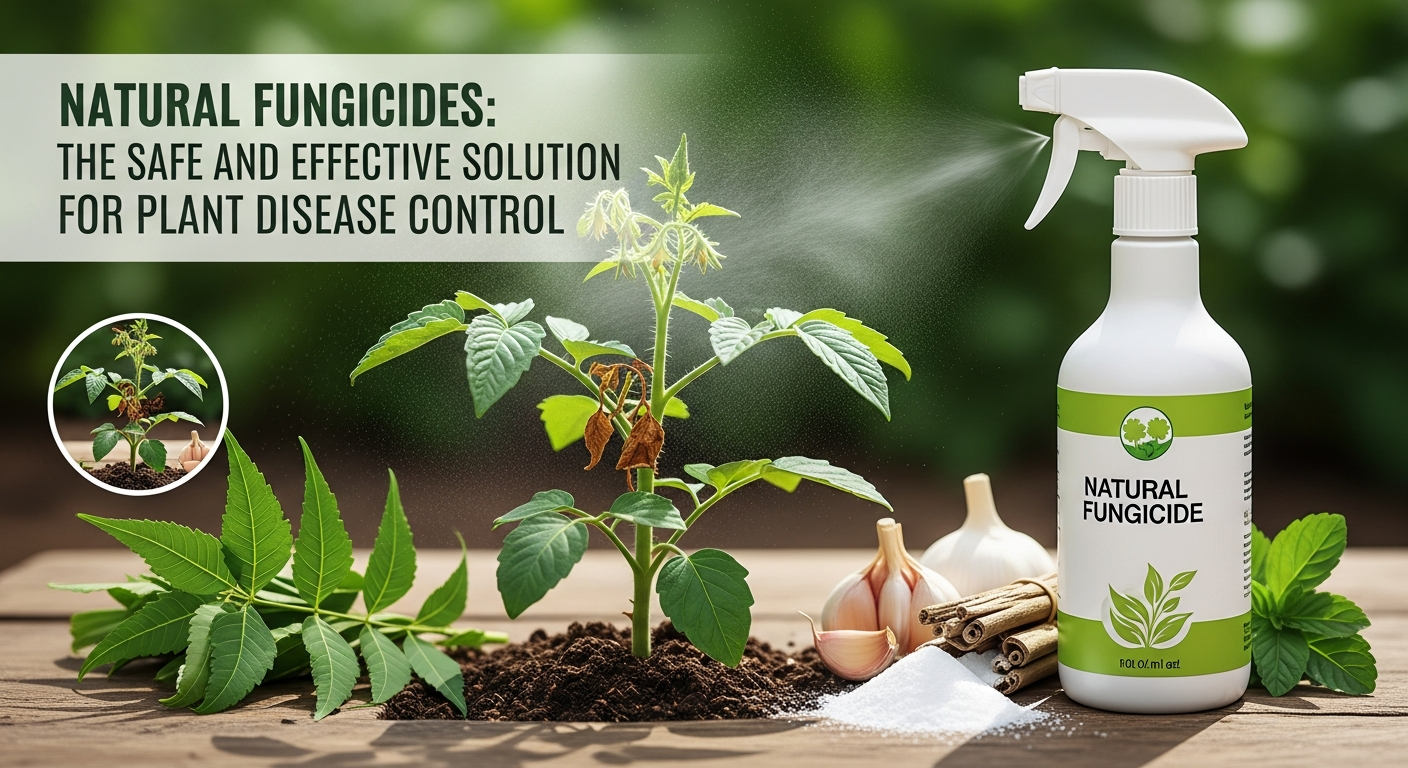
The use of natural fungicides as plant-friendly, Earth-friendly alternatives in helping farmers grow crops in a way that does not affect nature's natural balance is well documented throughout history. Natural fungicides help with both the health and productivity of plants because they use only naturally occurring materials such as plants to create a product that farmers and gardeners have relied on for many years.
Natural fungicides contain a high level of biologically active substances, minerals, and other protective elements that can strengthen the immune system of the plant, as well as to help prevent the growth of plant disease-causing fungi. Natural fungicides can also safely work with soil and soil's beneficial micro-organisms without adversely impacting the ecosystem surrounding the plants.
Natural fungicides, which are very easy to apply & are safe to consume at the plant level can be used frequently by both the home gardener and the large-scale farmer. Natural fungicides help the farmer reduce the risk of chemical residues while providing sustainable agricultural practices.
Natural fungicides, including neem, plant and microbial-based products, offer protection against plant disease, showing that an effective way to control disease in plants can be done without compromising the health of the environment.
Understanding Natural Fungicides: What Are They and How Do They Work?
Natural Fungicides are natural biopesticide solutions to protect plants from fungus using plant-based materials such as plant extracts, beneficial microorganisms, minerals or naturally occurring substances. They are used in a sustainable method of agriculture and are considered organic farming solutions and do not damage soil life, beneficial insects, or the environment. Natural fungicides are based on preventing disease, building resistance in plants, and providing long-term health of plants rather than relying on harsh chemicals.
Natural Fungicides use natural methods to: Support the immune response of the plant, Increase microbiological activity in the soil, Control fungal pathogens in a safe and residue free manner. Therefore, they can be used in all types of production, such as fruits, vegetables, and ornamental plants; including home gardens.
What Are Natural Fungicides?
Natural, plant- or microorganism-derived substances that act as disease inhibitors (fungal infections) of mushrooms include: powdery mildew, blight, rust, damping off and root rot.
Some examples of natural fungicides include those produced from:
- Neem
- Sulfur
- Copper
- Plant oils
- Herbs
- Beneficial bacteria and fungi.

There are many instances where the use of natural fungicides can be particularly advantageous, including when there are issues with chemical residues, soil depletion or deterioration and resistance.
How Natural Fungicides Control Plant Diseases
Natural fungi contain chemicals that are the same as those found in herbs. Natural fungi work biologically and will, therefore, be slower acting than chemical fungi. However, they are a much safer option than chemicals in the long term.

The way a natural fungicide has the ability to control fungi on plants makes natural fungicides an environmentally friendly alternative to chemical fungicide.
Difference Between Natural and Chemical Fungicides
Natural fungicides focus on balance and long-term crop health, while chemical fungicides often provide quick results but can damage ecosystems over time.

The Top Benefits of Using Natural Fungicides in Your Garden
Natural fungicides help promote healthy plant growth when used during all stages of growth. They assist in controlling fungal infestations while not creating any harmful effects to the surrounding soil. Therefore they are great for home gardens, kitchen gardens and in sustainable agricultural systems. Natural fungicides do not contain any of the synthetic chemicals found in traditional pesticides and thus are more environmentally friendly. Naturally occurring fungicides provide numerous long term health benefiting effects on plants by allowing even distribution of nutrients while controlling the spread of diseases from one area to another.
The following lists explain some of the advantages associated with using natural fungicidal solutions compared to traditional commercial fungicides.
Chemical-Free and Non-Toxic Plant Protection
Plants can be protected from fungi without adding harmful synthetic chemicals to the soil or the food chain by using natural fungicides.
Main Benefits
- No toxic residue or harsh chemicals
- Safe for veggies, fruits, herbs, and ornamental plants
- Can be used frequently without causing phytotoxicity
- Reduced need for chemical fungicides.
A natural fungicide will operate as a biological agent, improving plant defenses while enabling crops to grow steadily and without stress.
Environmental and Soil Health Benefits
Natural fungicides do not harm the surrounding soil ecosystem like some chemical fungicides do, but rather promote improved health and biodiversity of the entire soil system.
Here are some ways they are beneficial to the environment:
- Support for Beneficial Microbes in Soil and Earthworms
- Improved Nutrient Cycling and Structure of Soil
- Reduced Contamination of Soil and Water Resources
- Support for Organic and Sustainable Farming Methods
By Increasing Microbial Activity, these fungicides Help Create a Living Soil Environment That Will Naturally Suppress Plant Diseases.
Safe for Humans, Pets, and Beneficial Insects
Natural fungicides provide numerous benefits. Natural fungicides have some of the highest safety profiles in terms of effective pest control.
Advantages of Safety
- Non-toxic to people or animals
- No harm will come to pollinators (e.g., bees, butterflies) or beneficial insects (e.g., predators)
- Can be applied in residential gardens and have no impact on children
- Suitable for inclusion in an Integrated Pest Management (IPM) program
Using a natural plant fungicide for plant disease control produces effective results without negatively affecting the native ecological environment of the garden.

Popular Types of Natural Fungicides and Their Uses
Like different millet varieties have unique roles in plant production processes, there are many different kinds of organic fungicides with specific uses against individual plant fungal diseases. Organic fungicides are also effective, non-toxic, and can be applicable to many different crops, growing environments, and stages of development. Choosing the best organic fungicide for your plants will improve disease control in your garden while contributing to the long-term health of the landscape.
The following are among the most common organic fungicides used by farmers and gardeners.
Neem Oil as a Natural Fungicide for Plants
An organic fungicide like neem oil may be used by gardeners and farmers for controlling fungal diseases on plants.
Benefits of using neem oil as a fungal treatment:
- Fungal diseases treated include powdery mildew, rust, leaf spot and blight
- Neem oil disrupts the growth and reproduction of fungal spores
- Can prevent and cure fungal infections in plants
- When properly used, neem oil can be applied to food crops
As a result of its natural and organic characteristics, neem oil can be relied upon as a successful fungal treatment in organic farming systems within the plant industry.
Baking Soda and Garlic Sprays for Fungal Control
Baking soda and garlic are two common household items that can be made into useful natural fungicides to treat some light to moderate types of fungus.
Why They Work:
- Baking Soda - Baking soda alters the pH of the leaf surface, making it difficult for fungus to develop.
- Garlic Spray - Garlic spray has sulfur compounds found in it, which also prevents fungal growth.
- These fungicides are best suited for early-stage fungal problems.
- Baking soda and garlic may be helpful in controlling small-scale fungal problems and for home gardeners.
The fungicides are very easy to make, inexpensive, and are great ways for gardeners to control fungus naturally without using chemicals.
Sulfur and Copper-Based Natural Fungicide Options
Both sulfur and copper are mineral sources for natural fungicides. Both have been used for years in agriculture.
Sulfur-based Fungicides:
- Can be used to control powdery mold, and mites
- When applied prior to disease development, can promote the resistance to diseases
Copper-based Fungicides:
- Will assist with controlling bacterial and fungal diseases
- A good choice for controlling blight, downy mildew, and leaf spots
Caution: While sulfur and copper are considered "natural" products, both need to be used according to recommended rates in order to not stress the plants.

How to Make Your Own DIY Natural Fungicide at Home
DIY organic fungicides are as effective and gentle to our plants as baby foods are gentle and nutritious for babies. You can create a simple, effective way to protect your plants by using natural ingredients found in your home in the form of a fungicide. Mixing up your own organic fungicides is very affordable and provides a natural way for you to take care of your plants without using chemicals. Using your homemade organic fungicide early and often will provide the best results.
In the following paragraphs, you will find a step-by-step guide to making and utilizing your own organic fungicide from items you probably have in your kitchen.
Simple Homemade Fungicide Recipes
When using your home-made fungicides for the mild-to-moderate types of fungus; if used as a weed killer, they will be very productive.
Examples of home made solutions:
Spray with baking soda.
- Mix 1 teaspoon of baking soda with 1 liter of water with 1 or 2 drops of liquid soap.
- Used to kill powdery mildew and leaf spots.
Spray made from crushed garlic.
- Crush 2 to 3 heads of garlic. Soak garlic in water overnight.
- Works well against blights and fungi, leaves.
Spray made from neem oil.
- Mix 3 to 5 mL of neem oil into 1 liter of water.
- Works for preventative and with existing fungus.
Spray when daylight is low, morning or evening for optimal effectiveness.
Organic Ingredients Used in DIY Fungicides
DIY natural fungicides rely on easily available organic ingredients that are safe and effective.

When and Where DIY Fungicides Work Best
Homemade fungicides can be very effective when used under the appropriate conditions.
Here are some of the best situations where they can be effective:
- At the initial signs of a fungal disease.
- For plants in your own garden, on your terrace, or in pots.
- When it is humid.
- In an organic vegetable or herb garden.
The time to stay away from homemade fungicides is when:
- The disease is very severe or widespread.
- The weather is extremely hot or rainy.
- The plants are stressed or newly transplanted.
Best Practices for Applying Natural Fungicides Effectively
Natural fungicides are more effective if used correctly. Correct application is as important as having the right method of feeding to provide optimum nutrition. Using the correct method of applying natural fungicides to control fungal diseases will provide protection for crop health while reducing reliance on chemical fungicides. Following recommended practices will allow you to use natural fungicides safely, consistently, and for a longer period of time.
Correct Timing and Frequency of Application
Appropriate application timing and frequency are two crucial factors that will influence the performance of the fungicides used.
Make sure to be aware of the following timing tips when determining what time of day to apply fungal products:
- Apply in the early morning or late evening: applying early in the day helps to keep the foliage from becoming scorched from excessive heat and direct sunlight.
- Apply before signs of disease: this will help minimize the amount of disease that will occur in your field.
- Reapply every 7 to 10 days for preventive reasons.
- Increase the frequency of application when there are high levels of disease pressure.
When using natural fungicides instead of traditional chemical-based fungicides, the frequency of application will often be greater because of their biodegradable nature.
How to Apply Natural Fungicides Safely
Ways to Safely Use Natural Fungicides: Natural Fungicides are Safe for Plant Protection and User Safety
Guidelines for Application
- Dilute according to the recommended ratio.
- Make sure you have a clean sprayer to avoid cross-contamination of fungicides.
- Spray both sides equally on the leaves.
- Do not spray during hot and bright sunlight or when heavy rain is falling.
- Use basic personal protective equipment including gloves and a mask.
Natural fungicides are safe to use on plants when used correctly; this will help prevent any plant stress and increase the efficacy of the fungicides.
Maximizing Effectiveness Without Overuse
Overuse of even natural fungicides can damage plants or lose efficacy over the duration of use.
Best Practices for Balanced Use
- Combine with Good Cultural Practices (spacing, air flow, pruning)
- Improve Soil Health to Naturally Control / Suppress Fungi
- Once Disease Pressure Decreases, Stop Spraying
- Use a Rotation of Different Natural Fungicides to Maintain Efficacy (neem, sulfur, & bio-fungicides)
Natural Fungicides Are Most Effective When Used As Part Of A Comprehensive Approach To Disease Management Rather than As a Stand-Alone Solution.

Avoiding Common Mistakes When Using Natural Fungicides
Just like overfeeding or improper preparation can reduce nutritional value, so too can improper use of a natural fungicide by limiting the effectiveness of that fungicide. Natural fungicides for plants are safer than chemical fungicides; however, they must still be used correctly in order to achieve optimal results. Understanding the most common mistakes made by gardeners and farmers when applying a natural fungicide will help them achieve consistent control over diseases while not harming either the plants or the soil on which they grow.
Risks of Overuse in Organic Gardening
People commonly think that the use of organic fungicides can be carried out ad libitum because they are considered ‘natural’, however, excessive use of organic fungicides can lead to severe consequences.
Risks That May Occur With Excessive Use Of Organic Fungicides:
- Leaf phytotoxicity (burning) from high concentration sprayers.
- Long-term loss of plant immunity (plant’s ability to fight disease).
- Accumulation of mineral elements such as copper and/or sulphur in the soil.
- Disruption of beneficial microorganisms.
In order to promote a healthy ecosystem, all Organic Fungicides must be used based upon established guidelines for their application.
Incorrect Mixing and Application Errors
The primary reason that most natural fungicides fail is due to improper mixing or improper application.
Common Mistakes To Avoid:
- Using concentrations that exceed the recommended amount
- Mixing incompatible products together
- Spraying in the middle of the day when it's too hot or before rain is expected
- Missed or unevenly applying to plant surfaces, on both the top and bottom side of the leaf surface.
When correctly mixed and applied at the appropriate time, a natural fungicide will be effective in controlling plant diseases.
Understanding Limitations of Natural Fungicides
Natural fungicides have a lot of benefits to them but aren’t a quick fix for a severe fungal infection.
Main Limitations:
- Work best as a preventative measure and during early development of a disease.
- Act slower compared to chemical fungicides.
- Require multiple applications to maintain their effectiveness.
- Will be less effective when treating a severe fungal infection or an advanced/in systemically infected plant.
In cases of severe outbreaks of fungal infections, we recommend using a combination of natural fungicides with good cultural practices or other registered products.

FAQs
Q1. What are natural fungicides used for?
Natural fungicides are used to prevent and control fungal plant diseases like mildew, blight, rust, and leaf spots in a safe, eco-friendly way.
Q2. Is a natural fungicide for plants as effective as chemical fungicides?
A natural fungicide for plants is highly effective for prevention and early-stage infections but may act slower than chemical fungicides.
Q3. Can natural fungicides harm beneficial insects?
Most natural fungicides are safe for bees, butterflies, and beneficial insects when used correctly.
Q4. Are homemade natural fungicides safe for vegetables and fruits?
Yes, homemade natural fungicides are generally safe for edible crops when properly diluted and applied as recommended.
Q5. Can natural fungicides replace all chemical fungicides?
Natural fungicides can replace chemical fungicides in many cases, but severe infections may still require targeted chemical treatment.
Conclusion: Embrace Natural Fungicides for a Healthier Garden and Greener Planet
By using ecological fungicides, you will begin a new cycle of sustainable gardening by providing a healthy environment for your plants to grow. Ecological fungicides, when used correctly, will help prevent your plants from developing fungal diseases and will also prolong the life of your beneficial soil microorganisms and other environmental products. Because less dependence on chemical fungicides increases the safety of the food we produce and the long-term viability of our soils.
An ecological fungicide will not only stop plant diseases but will also help to build plant disease resistance over time. When applied at the right time, in the proper manner, and according to good cultural practices, ecological fungicides will provide consistent results without causing harm to people, pets, or beneficial insects, making them the perfect product for home gardeners, organic growers, and environmentally conscious gardeners.
Choosing ecological fungicides is not only a way to protect your plants, but it also supports your gardening style by using responsible methods that support biodiversity and ecosystems and result in a healthier planet. By making this choice with awareness, your garden will be a step closer to providing healthy food for our families and creating a more sustainable future .