
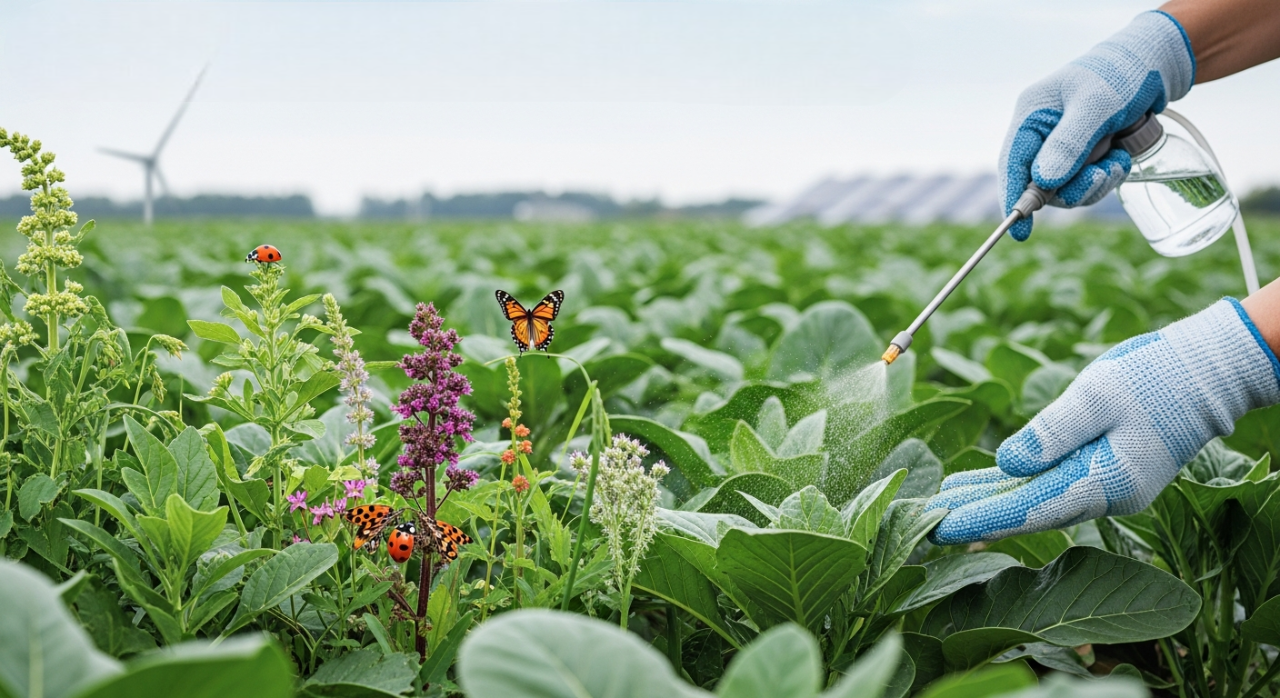
Biopesticides are an integral part of agriculture today, providing a natural alternative for crop protection. Biopesticides include beneficial organisms (microbes), extracts derived from plants, and other naturally occurring ingredients. They provide a source of protection against pest damage, while maintaining/improving soil health and protecting the surrounding environment. There is a growing need for Biopesticide products, since they provide a safe means to manage pest populations without jeopardizing the health of both crops and the environment.
Biopesticides differ from traditional pesticides, as the biopesticides can be used quickly and specifically to target only unwanted plant pests, while conserving all other beneficial insects and soil microorganisms. The low toxicity of biopesticide products to plants and humans allows for more environmentally conscious farming practices. In addition, biopesticides are suitable for organic farming systems.
As the agriculture industry continues to face many challenges, such as pests that have developed resistance to chemical pesticides, degraded agricultural soils and increased consumer demand for food that is free of chemical residues, using biopesticides presents a viable alternative method of pest management and will contribute to more sustainable farming practices. Biopesticides provide a consistent method of reducing pest problems on various crops, including cereals, vegetables, fruits, and pulse crops; therefore, every application of biopesticides results in producing more nutritious and healthier crops through improved soil health and the establishment of sustainable farming systems.
Understanding the Importance of Biopesticides in Agriculture
Today, farming practices are becoming increasingly conscientious regarding safety, while biopesticides have become a useful tool in this evolution of farming practices. Today's farmers face many challenges, including pest resistance, soil degradation, and stringent food safety regulations. Biopesticides assist farmers in identifying means of controlling pests, while also allowing them to maintain healthy soils and ecosystem integrity.
Biopesticides do not negatively impact natural ecosystems and foster the long-term viability of agricultural production through lessened chemical residue, enhanced protection of beneficial organisms, and greater overall plant health and vigor.
Biopesticide Definition and Importance of Biopesticides
Natural pest control substances made from naturally occurring microorganisms, and plant or naturally occurring compounds
- Used to manage pests such as insects, plant diseases, and weeds
- Non-toxic, and biodegradable
- Not harmful to soil or water nor to other living things that are not considered target pests
Types of Bio Pesticides Used for Plants
The following table outlines several of the main types of bio pesticide formulas that can be chosen by farmers based on their crop type and the type of pest pressure they may be experiencing:
- Microbial Bio Pesticides: Bacillus thuringiensis, Trichoderma sp., Beauveria bassian
- Botanical Bio Pesticides: Various extracts from the neem tree, botanical based oils, and other herbal combination
- Biochemical Bio Pesticides: Using pheromones and insect growth regulators (IGRs)
Access to the above types of bio pesticides allows growers to select the best option for their crop type. Each of the above types represents a different method of improving plant health while reducing chemical use on crops. Due to the diversity in the products available, they are combined to create stronger pest control programs and improve the resiliency of crops grown in a variety of agricultural systems.
How Bio Pesticides Work in Agricultural Pest Control
Pest control via bio pesticides relies on the natural biological interactions occurring between the plant and the plant's natural predators instead of having chemical toxicity as the method of pest control.
Ways bio pesticides control pests as compared to traditional chemical methods:
- Interference with the feeding and reproduction of target insects
- Enhancement of a plant's natural ability to defend itself against attacks by insects
Reduced presence of resistance among pest populations due to a lack of selection pressure from chemical exposure.

Environmental Importance of Biopesticides in Sustainable Farming
The role of biopesticides as an environmentally responsible alternative for agricultural pest control is consistent with the principles of sustainable agriculture which promote the protection of crops, soils, waters, and air without harming any part of the natural ecosystem (e.g., plants, animals, humans). Therefore, the environmental significance of biopesticides can be explained by several reasons that confirm their use for pest control and sustainability in agriculture.
Farmers can utilize bio-pesticide products as an alternative to their reliance on chemical pesticides and thereby significantly decrease the ecological impacts created by overusing chemicals in farming.
Bio Pesticides and Reduction of Chemical Pollution
- Using biopesticides reduces the overall amount of environmental pollution resulting from the use of synthetic pesticides.
- Biopesticides break down naturally and do not create any toxic residue.
- Biopesticides will reduce the amount of soil, groundwater, and surface water contamination created by synthetic pesticides.
- The likelihood of air pollution when applying biopesticides is decreased.
Role of Bio Pesticides for Plants in Biodiversity Protection
- Bio pesticides to preserve biodiversity, both on the farm and in surrounding areas.
- Chemically selective; specific action against target pest species
- Protection of beneficial insects, including pollinators (i.e., bees, butterflies), and natural pest "predators".
- Preserve and maintain the populations of soil microorganisms that maintain organic matter in healthy soils.
Biodiversity is necessary to build resilient farming systems, and bio pesticides (applied to plants) help to maintain that balance. Unlike traditional chemical pesticides, which are broader in spectrum than bio pesticides, bio pesticides only act on certain organisms; this means pollinators, earthworms, and natural predators can thrive, which will in turn enhance the overall health of the ecosystem, which reduces the potential for catastrophic pest problems later.
Importance of Biopesticides in Eco-Friendly Agriculture
- Eco-friendly agricultural practices create a system of producing food responsibly while also protecting the environment.
- Advantages of organic farming systems and lower input (i.e., an agriculture system that does not require high levels of energy, chemicals, etc., to produce food).
- Lowers the total carbon footprint associated with the production of chemical pesticides (chemical production in general
- Encouragement of sustainable agricultural practices/procedures.
Biopesticides are becoming more prominent in the modern agricultural industry, due to the recent trend toward organic agriculture (which has rapidly accelerated over the past three decades). Most organic farmers are using organic pesticides rather than chemical pesticides to produce their crops. Organic farmers can produce organic produce without sacrificing productivity; therefore, biopesticides help them maintain their highest levels of productivity while also providing them with an environmentally friendly alternative to using traditional chemical pesticides.

Importance of Biopesticides for Crop Protection and Yield
Biopesticides are crucial for protecting crops and ultimately increasing the amount of crop and the quality of the crop that is produced. Biopesticides are environmentally-friendly alternatives to chemical pesticides because they do not pose the harmful effects that others do to the environment.
Biopesticides are actively being used by farmers to protect their crops and provide a means for long-term crop success. Farmers are under pressure to limit the amount of chemical residue on their crops and improve their overall sustainability. Therefore, the following outlines the ways in which biopesticides support plant and crop health.
Bio Pesticides for Plants and Crop Health
Biopesticides protect crops and promote crop health in many ways, including:
- Targeting pests without harming your crop
- Preserving beneficial insects and beneficial soil microorganisms
- Reducing the stress created on your plants by the use of harsh chemical pesticides
- Bio Pesticides in Crop Health
The big advantage of biopesticides for crops is their non-invasive nature and how well they work with all elements of plant physiology to help improve their overall health while providing protection from many types of pests and diseases.
Importance of Biopesticides in Integrated Pest Management (IPM)
- Biopesticides are an essential element of Integrated Pest Management (IPM).
- By using biopesticides, growers can reduce their dependence on chemical pesticides.
- They can delay or prevent the development of resistance in pest populations.
- Biopesticides work well when integrated with cultural and mechanical methods of pest control.
Biopesticides are important in an IPM framework because they are a long-term and sustainable solution to managing pest populations. Biopesticides can maintain pest populations below the level that will cause economic damage when used in combination with crop rotation, pest monitoring and biological controls. By employing this balanced strategy, growers can continue to provide effective management of their pests while protecting the ecosystem and the profitability of their farms.
Enhancing Agricultural Productivity Using Bio Pesticides
Healthy plants = High Yield = High Quality Produce
- Greater flowering and fruiting and grain production of the crop
- Less crop loss from pests
- Cleaner harvest with lower residue levels
Biopesticides improve plant health and reduce the impact of pests on crops. As a result, biopesticides increase productivity in agriculture. Biopesticide-treated crops typically grow more uniformly, are better able to withstand abiotic stresses, and are able to produce higher quality yields. As such, they are a viable alternative for farmers wishing to sustainably increase their yield.

Importance of Biopesticides in Food Safety and Human Health
Modern agriculture is moving toward safer, healthier, and cleaner foods; it is important to provide consumers with safe and clean foods that do not contain toxic residues. The Growing Role of Bio Pesticides is to protect the farmer's crops, but it also provides protection to the consumer and the environment. Although Chemical Pesticides have a negative effect on the farmer and the environment because of their toxicity, Bio Pesticicides provide a natural way to control pests without exposing farmers or consumers to dangerous chemicals.
Farmers who use Biological Pest Control methods can guarantee a safer food production system that supports the long-term health of the farmer and the consumer as well as a healthy environment. Here are some key ways that Biopesticides contribute to food safety and public health.
Bio Pesticides for Plants and Residue-Free Crops
Bio Pesticides for Plants can help control pests and produce residue-free food products.
- Breaks down naturally after application.
- Used on Fruits, Vegetables, Cereal, and Pulse Products.
- Permits Compliance with Food Safety Regulations in the U.S. and Export Residue Standards to Other Countries.
One benefit of Bio Pesticides for Plants is they produce residue-free food, which comes from the fact that Bio Pesticides break down naturally after being applied to a plant. As a result, when consumers purchase Bio Pesticides, they can ensure that the food they are buying is safe and free of chemicals that could harm them. As such, Bio Pesticides are an environmentally sustainable solution for the production of food.
Importance of Biopesticides for Farmer Safety
Farmers frequently encounter exposure to pesticides throughout their workday, including processes such as mixing, spraying and harvesting.
- Bio pesticides have a lower level of toxicity.
- Bio pesticides decrease the risk of developing skin, eye and respiratory complications.
- They allow the farmer to handle the products with minimal amounts of personal protective equipment (PPE).
The benefits of biopesticides do not stop at benefiting crops. Biopesticides also help to protect the health of farmers from chemical pesticides that can lead to chronic health conditions as a result of frequent exposure. In contrast, because bio pesticides are derived from naturally occurring substances, they result in less potential for long-term health problems and create an environment that is much safer for farmers, particularly in areas where small or marginal farmers tend to operate.
Consumer Health Benefits of Bio Pesticides
Health-conscious consumers are increasingly concerned about food quality and safety.
- Consumers consume lower levels of pesticides from their foods.
- People who consume foods grown with bios pesticides have less risk of developing chronic health conditions.
- Bio pesticides contribute to a better diet and nutrition by enabling consumers to eat lower amounts of chemical residues in their foods.
Because foods grown with biopesticides are less toxic, they are safe to eat. This is especially true for infants, elderly, and individuals with severe allergies. As such, biopesticides are directly responsible for enhancing population health outcomes through reduced exposure to chemicals via their food supply, while creating a greater level of trust between consumers and farmers.

Importance of Biopesticides in Food Safety and Human Health
With growing awareness of how important to human health and the environment health and safety are for the continued success of agriculture, Biopesticides now represent one of the pillars of Sustainable Agriculture. Biopesticides offer many advantages to growers and consumers because they do not contain harmful residuals left by chemical pesticides. Biopesticides help ensure Food Safety for consumers and provide an opportunity for a better working environment for agriculture producers. Biopesticides help improve soil health and produce quality crops that help remove toxic chemicals from the food supply and also support the long term health of humans.
Bio Pesticides for Plants and Residue-Free Crops
Biopesticides are used Frequently because of the ability to produce a crop with little or no harmful residues and WHEN COMPARED TO CHEMICAL PESTICIDES, Biopesticides Are Made From Natural Microorganisms And Biological Agents.
- Biopesticides Are Decomposed Quickly, So They Do Not Accumulate In Soil Or Produce.
- Biopesticides Can be used for Fruits, Vegetables, Cereals, And Export Crops.
Importance of Biopesticides for Farmer Safety
Farmer safety and health are an essential factor in sustainable agricultural production.
- Lower toxicity of biopesticides reduces risk associated with handling and spraying biopesticides.
- Lower likelihood of skin, eye, and respiratory irritation.
- Providing higher quality working conditions compared to chemical pesticides.
- Paragraph detailing the ways biopesticides help improve farmer health and reduce pesticide exposure:
Biopesticides not only protect crops but also benefit the farmers who produce them. Farmers who are constantly exposed to chemical pesticides are at a higher risk for health problems associated with these products; using biopesticides can help reduce these risks. In addition to helping to protect farmers from long-term health effects, biopesticides also provide farmers with a safe and effective method of controlling pests.
Consumer Health Benefits of Bio Pesticides
Today, consumers have become increasingly aware of what they are putting into their bodies.
- Customers will have lower levels of pesticide residue on the food they purchase.
- Consumers have a lower risk of developing health issues related to chemical exposure.
- Biopesticides support cleaner, healthier diets for consumers.

Challenges in Adopting Bio Pesticides in Agriculture
There are many obstacles that exist currently for the use of bio pesticides within mainstream agriculture and their importance in the sustainability of farming is clearly established. While bio pesticides provide a long-term benefit for both the environment and for crop health, obstacles such as the following continue to delay the use of bio pesticides on a broad scale.
Through identifying these barriers, farmers, policy makers and agri-businesses can create an avenue for solutions.
Awareness and Education About the Importance of Biopesticides
- Currently, many farmers do not have adequate knowledge of how to properly utilize bio pesticides and/or what they are capable of doing.
- There are also limited educational opportunities for farmers (ex: training programs and field demonstrations) concerning bio pesticides.
In addition, farmers do not have enough technical assistance available from third-party sources (ex: technical guides, websites) to inform them of the proper use of bio pesticides, including dosage and the timing of applications.Many farmers hold the misconception that bio pesticides will not be as effective as chemical products.
Cost and Availability of Bio Pesticides for Plants
Many farmers are still concerned with access and affordability of agricultural products and solutions.
- Higher upfront costs of organic products versus a number of chemical products.
- There is often little access to store and purchase organic products from rural and remote communities.
- Organic products require proper storage and handling conditions if they are to be effective.
Regulatory Issues Affecting Bio Pesticides
Regulatory requirements can create barriers for the development and use of biopesticides.
- Registration and approval times are lengthy
- Guidelines on biopesticides do not exist
- Different regulations in each geographical region and country compared to each other.

Future Scope and Innovation Highlighting the Importance of Biopesticides
Agricultural production has evolved to prioritize sustainability and climate resilience along with maximizing yield in today’s agricultural environment. In order to achieve this goal, biopesticides represent an important component of the transition to sustainable agricultural practices by providing a safe and effective method for controlling pests while protecting ecosystem functions and soil health. As the bio economy grows and matures, these “smart” products provide a platform for developing a more secure, environmentally friendly global food supply system.
Advancements in Bio Pesticide Technology
Technological Advances in Bio Pesticides Results In Dramatic Improvements in Efficacy
- Enhanced Microbial Strains provide increased specificity for targeted Pests
- Fully Nano-Formulated bio pesticides Maximize Aqueous Stability and provide Longer Shelf-Life
- Reformulated Bio Pesticides Are More Durable to Heat, UV Light, Rainfall, and all forms of Weather
Importance of Biopesticides in Climate-Resilient Agriculture
- Climate Change Is Increasing Pest Pressure & Uncertainty in the Agricultural Environment.
- Bio-Pesticides Are More Adaptable to Ecological Change.
- They Enhance the Soil To Support Biodiversity & a Natural Balance of Pests.
- They Can Reduce Plant(s) Stress Resulting From Extreme Weather Events.
Growing Global Demand for Bio Pesticides
There is an increased demand by consumers globally for agricultural inputs that are safer and sustainable. Such demand is resulting from:
- Increasing consumer preference for food with little/no pesticide residues
- Continued rapid growth of organic farming and export-oriented farming
- Support by Governments and stricter regulations regarding the use of chemical pesticides.
The worldwide trend towards the use of bio pesticides as a means of producing crops that are both safe and environmentally friendly has led to an increase in the demand for bio pesticides. This increased demand is prompting researchers, manufacturers and policymakers to invest in the development of bio pesticides, thereby ensuring greater availability of bio pesticides and their use as part of the mainstream agricultural practices.

FAQs:
Q1. What is the importance of biopesticides in agriculture?
Biopesticides help control pests safely while protecting soil health, the environment, and food quality.
Q2. How are bio pesticides different from chemical pesticides?
Bio pesticides are natural and targeted, while chemical pesticides are synthetic and may harm beneficial organisms.
Q3. Are bio pesticides for plants safe for long-term use?
Yes, they are safe for long-term use as they are biodegradable and do not accumulate in soil.
Q4. Can bio pesticides improve crop yield?
Yes, by reducing pest damage and improving plant health, bio pesticides help enhance crop yield and quality.
Q5. Do bio pesticides help in pest resistance management?
Yes, their natural mode of action lowers the risk of pests developing resistance over time.
Conclusion: Embracing the Importance of Biopesticides for Sustainable Agriculture
Biopesticides have become increasingly important in agriculture due to the increasing demand for environmentally friendly pest management methods. Biopesticides provide natural pest control methods that use biopesticides to protect crop, soil, beneficial insects and the environment without the negative impact of excessive use of chemicals on the land or water. Using biopesticides as part of an integrated pest management strategy increases agricultural productivity over the long term while reducing the impact of pesticides on the earth.
As farmers face challenges posed by climate change, pest resistance, and the growing need for pesticide residue-free food, plant-based biopesticides offer an excellent, eco-conscious and efficient solution. Biopesticides can be used with both organic farming systems and conventional farming systems. By using biopesticides, farmers can provide themselves with healthy crops, safe food and sustainable funding for future production of crops.