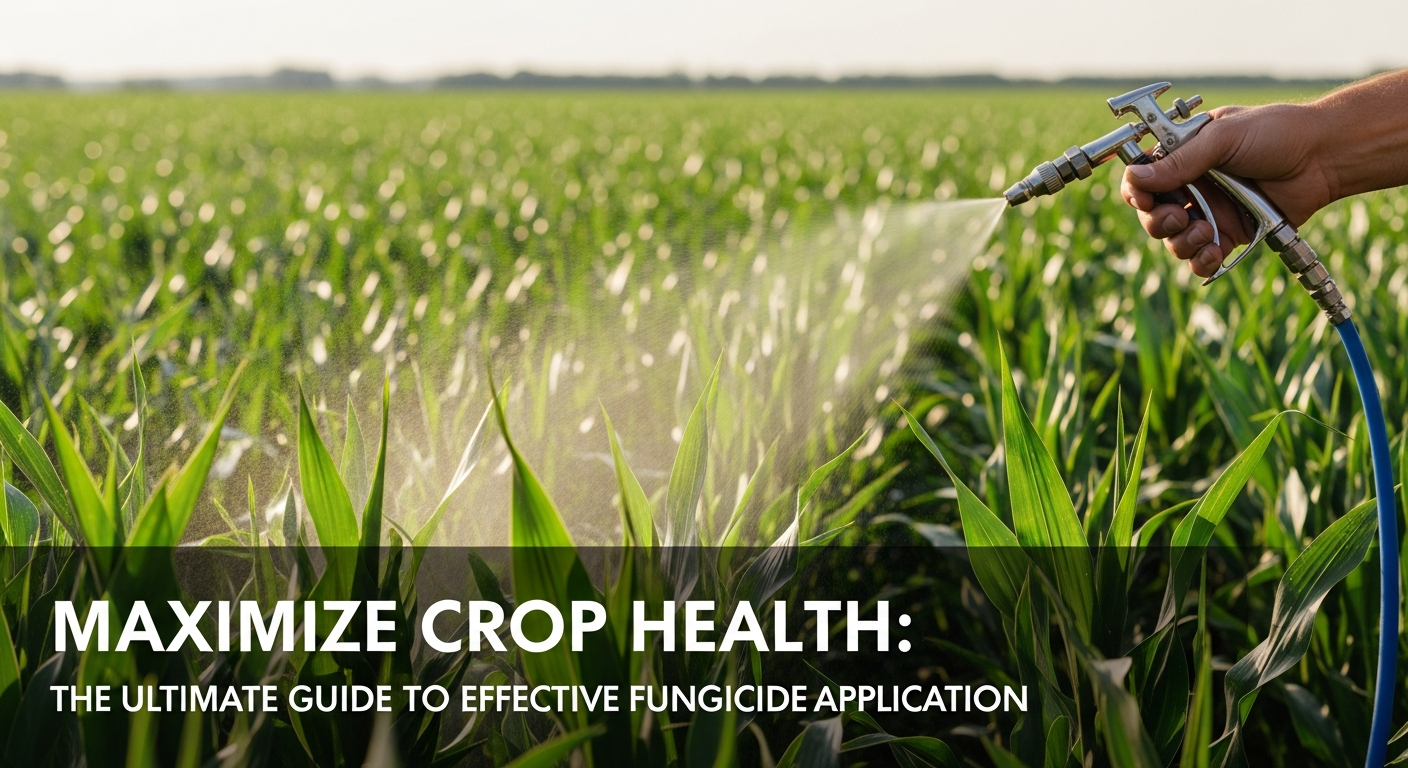
Protecting their crops from damaging fungal infections can significantly increase crop yield and quality like traditional grains provide humans with nutrition. It is critical that farmers apply fungicides on a timely and consistent basis to ensure the healthy growth of their crops.
Farmers depend on fungicides to halt disease in crops in order to continue to produce healthy, high-quality produce. If farmers were unable to use fungicides, they would be unable to halt fungal blights, rusts, mildews, and leaf spots that cause internal damage to the plants' structure and strength. Fungicides aid in fortifying the plants' immunities by halting fungal pathogens in their earliest stages of disease progression, which leads to producing stronger, more vigorous and more resilient crops.
Fungicides are a diverse category of fungicides, as there are many different types of fungicides, each of which works in its own way (for example, systemic or contact fungicides). When applied correctly, fungicides protect the outside surfaces of the crops while passing through the crop tissues and preventing fungal infections before they become an issue. In this way, farmers use a targeted approach to minimize crop damage across the entire field.
A variety of factors affect the efficacy of fungicides, including the proper selection of the fungicide (the correct product), utilizing the correct rates of application, and using the fungicides during the proper crop growth periods. Proper application techniques will allow a farmer to prevent disease from occurring on their crops. Additionally, using these proper application techniques will also enhance the long-term health of the soil and plants where they are applied.
Understanding Fungicide Application: What, Why, and When?
Millet and the different types of millet that can provide specific health benefits to babies based upon their growth stages are similar to fungicides, which protect crops from destructive fungal infections during all stages of growth. Fungicides protect the health of the plant, enhance the vigorous growth of the plant, and increase the quality of the yield.
To apply fungicide effectively, you must understand why fungicides are needed, when they should be applied, and the impact that timing has on disease management.
Purpose and Benefits of Fungicide Use
When growing plants, proper timing in the use of fungicides can be as important as providing the correct type of food for an infant at the right time of its growth.
Using Fungicides at the Right Time is Important Because:
- Provides the best protection against disease
- Provides the most effective absorption of the fungicide and effectiveness.
- Prevents unnecessary Waste of Fungicides
- Prevents resistance from developing to the fungicide.
- Increases Profitability By Protecting The Yield Of The Crop.
When fungicides are applied properly and on time, they deliver the best chance of success in that they will protect agricultural crops during periods of maximum disease pressure. If fungicides are applied too early or late, the crop will have the greatest amount of disease pressure at the time that the leaves grow to their maximum potential and the pathogen is already be growing
When to Apply Fungicides for Best Results
Fungicides are a form of nutritional protection for crops, acting the same way calcium does for the formation of bones in infants. Just as Ragi supplies calcium to growing babies, fungicides provide disease resistance to growing plants. Fungicides establish a protective layer and enable plants to resist the parasites that cause blight, mildew, rot, leaf spot, etc.
Benefits of Applying Fungicides:
• Protect against disease development prior to visual signs of disease.
• Control the spread of diseases through your plants (leaf, stem, root).
• Provide a boost to the overall strength of your plants, leading to greater quality of the crop/product.
• Improve yields through disease-free crops.
• Protect the investments made in agriculture and minimize losses.
Fungicide has the primary purpose of controlling fungal-based diseases on your crops before the signs and symptoms of those same diseases are evident. The majority of crops are infected by their respective fungal diseases without them being detected until the plants have suffered permanent damage. If applied at the right time, the protective chemicals in fungicide can inhibit germination and block pathways for the entry of pathogens into the plant. As a result, the crop has healthier foliage, improved photosynthesis, and creates a higher level of productivity during the entire growing season.
As a result of the correct use of fungicides, growers can continue to achieve consistent levels of crop performance even during periods of high disease pressure and enjoy the financial benefits of profitable farming and a sustainable operation.
Why Proper Timing Matters in Fungicide Application
Each fungicide has specific application times and is not universally effective throughout the growing cycle.
Timing Fungicide Application Based on Crop Stage
Pre-infection stage (preventive), best time to apply fungicide to prevent fungal infections before they occur.
Early disease detection stage (curative), best time to apply if the fungus has been identified as needing treatment.
- Prior to periods of high humidity or rain for best fungicide results.
- During periods of strong vegetative growth.
- At a frequency and rate recommended for that specific type of crop.
Using fungicides correctly is highly reliant on timing. Fungicides preventatively protect crops from fungal infections by applying before fungal spores are introduced to the crop. Proper timing is crucial during weather patterns that are conducive to the formation of fungal infections such as rainfall, high humidity or temperatures, and contains.
If you apply fungicides at the correct crop state and the right time, it will limit the first signs of fungal infection, slow the progression of the disease, and increase the resistance to the disease. Regularly scheduled applications according to plant type, environmental forecast, and historical disease will provide the greatest results.

Types of Fungicides and Their Application Methods
Different types of fungicides exist and they’re effective in different ways. Each type of fungicide is effective against different diseases of different crops (for example, some fungicides are used specifically for fungal diseases of cereal crops,others may be used against specific diseases). Each type of fungicide works differently against fungal pathogens, depending on the method of application and how well the farmer chooses and applies the type of fungicide applied to their crop.
Farmers commonly use the following categories of fungicides to protect their crops from fungal disease infection.
Contact vs. Systemic Fungicides
Fungicides that contact the surface of the plant and do not enter into that plant tissue kill the spores of fungi before they can infect that plant. Therefore, fungicides that contact the surface of the plant provide a protective barrier. However, the best time to apply these products is before the plant has developed any symptoms of disease or at the first sign of the plant being infected. You also need to reapply after every rain because of the ease with which they wash off of the plant.
- By providing early protection to your plants when they are most vulnerable to rapidly spreading diseases, these fungicides are perfect for that first line of defense against those deadly diseases.
- However, because fungicides that contact only the surface of the plant do not get inside that plant, all surfaces need to be thoroughly covered.
- Systemic fungicides will penetrate the inner tissues of the plant, then move to infected tissue, and then kill the infection. Systemic fungicides will remain active for long periods.
- Systemic fungicides can be used to treat diseases that are already present by killing the fungi that are deep-seated within the plant (inside the tissue).
When you use systemic fungicides, they will circulate through the plant, just like nutrients circulate through your body. Systemic fungicides are often used to treat serious diseases when using surface spray on the plants may not always be enough.
Foliar Sprays, Soil Drenching, and Seed Treatments
The different ways to apply fungicides respond to different types of millets, as well as to the different stages of growth of a baby... In order to maximize crop protection against fungal disease, it is important to select the application method that affords the best opportunity.
FOLIAR SPRAYS
- Foliar sprays are the most popular method for applying fungicides due to their ease of use and rapid action against fungal disease.
- Foliar sprays are applied directly to the foliage, stems and flowers of plants.
- Examples: Blight, Rust, Powdery Mildew. Foliar sprays provide nearly instant surface protection from fungal disease and can be easily applied by anyone. Foliar sprays are essentially a “first-aid” treatment for a plant's surface.
SOIL DRENCHING
- Soil drenches are the method in which fungicides are applied directly to the root zone of a plant. Soil drenches are the most effective method for treating soil-borne diseases as the fungicide will rise up through the plant via the water taken in.
- Soil drenches provide internal protection to young seedlings while allowing for dampening-off, root rot and wilting diseases. In essence, soil drenches allow for plants to distribute nutrients from the soil via their roots, thus providing an immediate impact.
SEED TREATMENTS
Seed treatment is the process of coating seeds with fungicide prior to planting. Seed treatments protect seeds from early infections in the soil, provide for strong germination and healthy root development, and are long-lasting and economical. Seed treatment is the first line of defense for crops right out of the gate, providing the greatest chance of developing good crop immunity.
Choosing the Right Method for Each Crop Disease
A farmer should select the appropriate approach for applying fungicides based on the type of crop being grown, when it is at a particular stage of growth, and the severity of the infection. Similar to how one would select different types of millet for a baby's age and the needs he/she has at that particular stage of development, a farmer needs to choose from various methods based on the best way to control disease in his/her crops.
1. Leaf Diseases on the Surface Part of the Plant
Examples of these diseases include powdery mildew, rusts, and leaf spots. These diseases typically remain on the surface of the plants.
Approaches to combat these diseases:
- Soil drenching.
- Foliar spraying.
- Contact fungicides.
This combination will provide a protective barrier for the plants against spores that cause surface-level leaf diseases.
2. Internal or Advanced Disease in Fungi
Many fungi that can infect crops create diseases by spreading internally through the cells of the crop plant. Wilting, anthracnose, and systemic rots are all internal diseases that need stronger control measures than those listed for external diseases.
The best method:
- Systemic fungicides.
- Soil drenching.
Systemic fungicides have the ability to move throughout the plant and to effectively control fungal diseases where contact fungicides fail.
3. Early-Stage Fungal Diseases in Seeds and/ or Soil
Some of the fungal infection processes that occur with your crop will be happening before your crop laimes planted.
Best methods for controlling these diseases:
- Seed treatment fungicide(s).
- Soil treatments before planting.
Both of these methods ensure the plants are growing and strong and help prevent early or pre-planting infections, like damping-off.

Step-by-Step Guide to Successful Fungicide Application
To be successful in controlling diseases with fungicides, it is necessary to apply products systematically. For example, when feeding your child millet based on his/her age and growth stage, applying fungicides in a specific sequence helps to build a solid base for healthy plant growth as well as being able to provide effective disease control. Each application of fungicide builds upon the last so that the product can perform correctly and can effectively treat the disease causing fungi.
This guide gives practical steps for farmers to use when applying fungicides to maximize the chances for a positive outcome:
Mixing Instructions and Dosage Guidelines
All millets have their unique nutritional profiles and methods for preparing them; so too do fungicides have a specific mixing ratio and dosage to be used in the application process. If this mixing phase is completed properly, there is a solid basis for achieving an effective application of fungicide.
The Importance of Proper Mixing
- The proper mixing of a fungicide ensures that the active ingredients will be correctly distributed equally.
- Prevention of using too little fungicide therefore results in a lack of control.
- Prevention of using too much fungicide, therefore, results in crop injury from burning and resistance.
- Increased longevity and efficacy of fungicide.
Mixing Procedure
1.Read The Label Carefully.
Each fungicide has different instructions regarding the active ingredients, dilution factors and safety procedures.
2.Use Clean Water.
The use of hard water or contaminated water will diminish the performance of the fungicide.
3.Measure the Proper Dosage.
Either use measuring cylinders or digital scales to obtain the correct dosage.
Use the recommended amount of fungicide per litre or acre.
Equipment Calibration for Accurate Spraying
Just as every type of millet has a specific age group for infants, each spray tool requires its own calibration in order to accurately apply fungicides to the crop. Failure to calibrate will cause uneven distribution of spray, waste of material, or poor disease control.
Why Is Calibration Important?
- Ensures that correct volume of spray reaches target
- Eliminates patchy coverage
- Minimizes over-application of fungicides
- Reduces costs and enhances productivity
How Do You Calibrate Correctly?
- Examine Nozzles
- Replace any worn, clogged, or damaged nozzles
- Select nozzle size based on the size of droplets needed
Determine Output
- Run the sprayer for 1 minute
- Collect the amount of spray in a measuring jar.
- Compare your collected sample with the output recommendation of the manufacturer.
Modify Walking Speed
A consistent rate of walking guarantees even coverage; walking too quickly decreases your spray protection, and walking too slowly increases the risk from the pesticides used.
Adjust Pressure
- Low pressure = poor coverage (large droplets).
- High Pressure = a risk of drifting from the field (fine droplets).
Do A Field Test
- First, apply plain water.
- Second, evaluate how wet the leaves became.
Weather Conditions That Improve Fungicide Effectiveness
Just as you need to consider the best type of millet for your baby based on digestion and age, the weather type you choose to apply your Fungicide affects how quickly and effectively your crops can absorb/use it.
The following weather factors are recommended when applying Fungicides.
1.Temperature
Optimum temperature is between 15 degrees Celsius and 28 degrees Celsius, while very hot conditions cause your Fungicide to evaporate rapidly.
2.Humidity
Optimum humidity levels are between 60 and 80 % to allow increased receptiveness of the Fungicide to the leaf and to promote its spread.
3.Wind Speed
Less than 10 km/h of wind speed will also reduce the occurrence of fungicide drifting onto adjacent crops.
4.Rainfast Time Frame
Wait at least 2 to 4 hours from application before rain is forecasted, as rain will wash away your Fungicide, rendering it ineffective.
5.Time Of Day For Application
Early morning and late afternoon are the best times to apply your Fungicide, while applying during the hot part of the day is not optimal.

Avoiding Common Mistakes in Fungicide Use
Using fungicide can help protect crops from widespread damage, but a few issues can make fungicides less effective or even create additional problems in the field due to misuse. Selecting the proper fungicide at the appropriate growth stage is critical for farmers, just like selecting the proper millet at the appropriate growth stage for a baby. Therefore, taking appropriate precautions to select the appropriate fungicide at the proper time of applying fungicides to plants will increase the health of the plants and create better management of plant disease resistance and improve soil health for the long term.
Preventing Fungicide Resistance
Resistance to fungicides in some ways has similarities with infants developing intolerance to foods they have eaten frequently. Repeated use of the same fungicide by farmers creates an environment that allows fungi to adapt to that specific fungicide, making it no longer effective when it is reapplied.
Why Fungi Become Resistant?
When a farmer uses repeated applications of a single class or mode of action for the control of fungus, the chance for fungi to develop resistance increases. Furthermore, when a farmer uses incorrect dosages of fungicides, applies fungicides after the disease has spread, and/or does not apply the fungicides evenly, the chance of developing a resistant population of fungi is also increased.
Ways to Prevent Fungicide Resistance
- Rotate fungicides with different classes or modes of action.
- Whenever possible, tank mix fungicides with different modes of action.
- Apply fungicides at the beginning of the disease cycle.
- Ensure that fungicides are applied at an even and adequate rate.
By using these methods and preventing fungicide resistance, a grower can effectively manage fungus without creating a resistant population.
Overapplication and Incorrect Mixing Errors
Applying too many different types of fungicides at once or mixing chemicals incorrectly can be detrimental to the crop’s health and soil quality, and ultimately cause environmental pollutants. When mixing any type of fungicide, it is essential to avoid the following mistakes:
The most common mistakes when mixing Fungicides include:
- Using incorrect ratios for dilution;
- Mixing different chemical products that are incompatible;
- Using an uncalibrated or soiled sprayer;
- Adding chemicals into the wrong order.
Correct application practices would include:
- Following label directions carefully;
- Using clean, potable water and a clean spray tank;
- Using a calibrated measuring device; and
- Adding all chemicals in the proper order.
By carefully following these guidelines, you will ensure optimal effectiveness of your fungicide. Doing a poor job of applying fungicide wastes your materials and puts your crops at risk of phytotoxicity, which is leaf burn and crop death. The use of proper measuring tools and calibrated sprayers ensures safe and effective use of fungicides.
Drift Prevention and Environmental Safety
The drift of fungicides can be compared to feeding an infant and watching the food fly away, this analogy is an excellent descriptive analogy of just how ineffective, wasteful and damaging fungicides drift can cause to our environment as well as crops. Drift can adversely impact nearby crops, contaminate nearby waterways and reduce the effectiveness of fungicides to effectively control plant diseases.
What Creates Drift?
Drifting occurs when spraying insecticides/fungicides with wind at a speed of 10 to 15 miles per hour (16 to 24 km/h) (high winds), or by spraying insecticides with high-pressure nozzles, or by using the wrong size nozzle droplets or using high boom height while spraying.
Ways to Reduce Drift:
- Spray when there is little to no wind (make sure your wind speed is 3-7 kph (2-4 mph))
- Use low-drift nozzles
- Maintain your boom height of 20-50 cm (8-20 inches) (30-60 cm (12-24 inches) above the leaves of the plant)
- Use larger droplets to increase deposition (greater coverage) on leaves
Environmental Safety:
- Do not spray within the vicinity of water sources.
- Follow your local buffer zone requirements.
- Use appropriate personal protective equipment (PPE).
- Use appropriate disposal methods for any excess spray.
Drifting is detrimental to the effectiveness of fungicide applications because it lowers the amount of fungicide that reaches the target leaves. At the same time, drift is also an environmental hazard because it contaminates the air, soil, and waterways. Proper use of techniques related to speed, pressure, and nozzle type will improve both the safety and effectiveness of your fungicide application.

Sustainable and Safe Approaches to Fungicide Application
Sustainable applications of fungicide provide protection to crops, consumers, and the environment by maintaining the health of the soil and making it safe for farmers and consumers to use. Similar to how different types of millets provide a sustained and continuous supply of nutrition to a baby through all stages of development, each aspect of the safe application of fungicide contributes to the long-term development of a healthy crop. When a farmer implements responsible practices such as using the appropriate dosage of fungicide, selecting a safer formulation, and using environmentally responsible methods, they will not only maximize the benefits from the application of fungicide but will also minimize any negative effects associated with its use.
The following are three major factors that will result in the application of sustainable and safe fungicides.
Integrating Fungicides with IPM Strategies
What Makes Integrated Pest Management (IPM) Important
- IPM develops a plan that minimizes the use of fungicides and helps provide a healthy balance of chemical control methods.
- Crop rotation prevents the accumulation of soil fungus.
- Use of beneficial bacteria and fungi as disease control agents naturally controls disease.
- Crop rotation and beneficial organisms should be combined with specific fungicide application to minimize resistance to chemicals, reduce costs, and improve plant health.
Fungicides can be used as one component of an Integrated Pest Management (IPM) approach. By integrating IPM into fungicide application, farmers will no longer be dependent on the use of chemicals alone.
a farmer can practice crop rotation to reduce the amount of fungal activity that accumulates in his field over time, while utilizing biological products such as Trichoderma (which can provide natural control of disease). The combination of crop rotation, use of biological products, and only applying specific fungicides when necessary reduces fungus resistance, saves farmers money, and promotes the growth of healthier, stronger plants.
Integrated Pest Management (IPM) provides farmers with an alternative way to achieve sustainable control of diseases, without solely relying on chemical fungicides. With the use of IPM, it is possible to create a healthy ecosystem by applying various control methods, including fungicides, and integrating their use into the overall control of disease.
Using PPE and Ensuring Operator Safety
Farmers require protection when applying fungicides to ensure they provide a clean, safe environment for their crops, much like infants require clean, safe food. Safety with regards to fungicides is critical because of the potential harm from direct contact with the skin, inhalation of fumes, and accidental exposure. PPE provides safety from exposure to fungicides for the operator as well as for anyone in the area, thus reducing the risk of injury or illness from the chemical spray. Having PPE while applying a fungicide provides the opportunity to have a safe working area.
What PPE Should a Farmer Use While Applying Fungicides?
- Gloves (e.g., latex or nitrile) are a must when using chemical products. They prevent chemical reaction with the skin from contact with the skin or hand.
- Masks or respirators are useful to protect the lungs from chemical fumes and from inhaling the fine mists or sprays produced by applications.
- Safety goggles are important as they will protect your eyes from chemical splashbacks and droplets.
- You should wear full-body coverage clothing, including long sleeves, boots, and aprons, to reduce your potential for coming into contact with the chemicals.
Safe Practices When Applying Fungicides
- Never mix fungicides inside homes or other enclosed spaces. Always mix them outdoors or in well-ventilated areas.
- Always wash your hands, tools, and clothes immediately after using fungicides.
- Never eat, drink, or smoke during the application of fungicides.
- Always follow the manufacturer's directions on how to use, handle, and store the fungicide and what dosage to apply.
Protecting yourself by wearing PPE while applying a fungicide is just as important as measuring out the correct amount to apply. PPE can help prevent burns from a chemical accident, irritation due to exposure to chemicals, or potential long-term health problems. With the use of gloves, face masks, respirators, and safety goggles, farmers are able to avoid accidental exposure while mixing and/or spraying fungicides. By utilizing PPE, farmers will provide a minimum safety risk to themselves, family members, and employees. The use of PPE also supports a good agricultural policy.
Reducing Chemical Residue and Environmental Impact
Minimizing fungicide residues is vital to both the resilience of soils, the quality of water, and to all the other beneficial organisms on the planet. Just as millets can be easily digested by an infant's stomach, the fungicide applied at the proper application rate will also be easy on the planet. By using sustainable methods, growers can reduce the amount of chemical residue placed on soils, while still controlling those fungi that are not favorable.
Methods for Reducing Fungicide Residue
- Use only the amounts suggested on the label.
- Apply products only when conditions are optimal (no wind/rain).
- Use low toxicity or environmentally friendly formulations, if possible.
- Use accurate application equipment to prevent drift and avoid wasting chemical.
Observe the Pre-Harvest Interval (PHI) prior to harvesting to avoid any chemical residue on harvested produce.
Environmental Protection Practices
- Avoid spraying near waterways.
- Utilize spray shields to help prevent drift.
- Dispose of any remaining fungicide appropriately. Never pour into soil or into a drainage system.
Rotate different classes of fungicides to reduce usage and to minimize the risk of excessive residues left in the soil.
The environmentally sound use of fungicides is a combination of good agricultural practices and ensuring the continued viability of the soil and surrounding water supplies by utilizing precision application and sustainable methods. Farmers can minimise the amount of residue remaining in their fields, protect the environment and contribute to soil health by only using fungicides when necessary, using precision application equipment, and selecting eco-friendly formulations. This responsible fungicide application will also slow the rate at which fungi develop resistance to fungicides and will help preserve the effectiveness of the fungicides.

The Impact of Proper Fungicide Application on Yield and Profitability
Farmers have a very effective tool in fungicides for maintaining the health of their crops and maximising production. The application of fungicides at the correct time protects the crop from fungal diseases throughout the entire life cycle, from germination to harvest. These diseases negatively impact yield, quality and marketability of the crop.
Correct application of fungicides results in increased crop vigor, greener plants, and greater tolerance to environmental and pest stresses. These conditions all result in healthier fields, greater yields, and increased profitability to farmers. Below are three primary benefits of proper fungicide usage.
Improved Disease Control and Crop Health
Just as different types of millet meet the specific needs of a child’s diet, different types of fungicides protect crops against specific diseases.
✓ Fungicides Provide Strong Fungal Disease Protection.
Used correctly, fungicides help prevent infections, such as mildew, blight, rust, leaf spots, rot,
and wilts, by creating a protective barrier on crops.
- Prevent the Growth of Fungal Spores
- Stop the Spread of Spores When Weather is Humid or Rainy
- Decrease the Early Season Disease that can Weaken Young Plants
✓ The Improved Welfare of Plants
The greater the health of the leaves on the plants, the greater the plants will grow through Photosynthesis.
- Through Proper Application, Fungicides Will:
- Make it Easier to Get Nutrients Into the Plant
- Create More Developed Roots in the Plant
- Increase the Plant's Ability to Resist Stress
✓ The Minimum Damage to the Crop
When the Fungicide is Applied on Time, it will help to prevent disease from developing. Therefore, when they are applied when there are no signs of disease, you will have crops that are:
- Free of Spots
- Green and Healthy
- Robust and Resistant
As a result, your crops will be Consistent and Greener Longer and Continue to show Healthy Growth throughout the Growing Season.
Economic Benefits for Farmers
Fungicides are an important source of returning value to farms through their contribution to yield performance.
Higher Yields: Improved Harvest Quality
1.Fungal illnesses cause yield reductions by as much as 70%. Adequate Fungicide Application will help to mitigate losses and assure
Larger amount of grain collected per plant
- Better quality of larger and better looking fruits and vegetables
- Higher grade of produce received by growers/wholesalers.
- Reduced Yield Losses and Rounding Up of Produce
Healthy crops have fewer diseased plant parts,
thus fewer chance of post-harvest waste
- Lower likelihood of grower/wholesaler reprocuritating downgraded produce/or rejecting produce
- Higher Return on Investment for Proper Fungicide Applications
- Each time fungicide is applied in proper application, fungicides are more effective

The outcome: Farmers get higher yields, better quality, and more stable income.
Long-Term Soil and Plant Protection
Proper use of fungicides on agricultural fields is analogous to the positive impact that certain millets have on digestive health and long-term health.
✓ Reduces Fungicide Resistance
Fungicides that are incorrectly applied or used too frequently can cause fungi to build resistance to those products. Best practices help:
- Rotate fungicide types
- Reduce buildup of resistance
- Sustainable management of diseases
✓ Protect Soil Microflora and Fauna
By applying the correct amount of fungicide at the correct time, beneficial soil organisms will not be harmed:
- Microorganisms in the soil remain active
- Soil continues to be productive
- Nutrient cycling continues as it should
✓ Promote Sustainable and Long-Term Agriculture
Healthy soil promotes healthy plants, yield after yield. Proper use of fungicides provides:
- Increased immunity to pathogens
- Increased tolerance to climatic conditions
- Prolonged overall quality of the soil
✓ Protect the Environment
Proper use of fungicides reduces the risk of chemical drift and chemical residue, making certain that:
- Water sources remain clean
- Pollinator populations are protected
- The ecology of the soil is intact .
FAQs:
Q1. What is the purpose of fungicide application?
Fungicide application helps prevent or control fungal diseases that harm crops and reduce yield.
Q2. When is the best time to apply fungicide?
The best time is early in the disease cycle or before symptoms appear, usually during favorable weather conditions.
Q3. How do I choose between contact and systemic fungicides?
Use contact fungicides for surface protection and systemic fungicides when deeper, internal disease control is needed.
Q4. What mistakes should I avoid during the application of fungicide?
Avoid overuse, wrong dosage, poor timing, and spraying during windy or rainy conditions.
Q5. How does improper fungicide use lead to resistance?
Repeated misuse allows fungi to adapt and survive, making fungicides less effective over time.
Q6. What safety precautions should I take during fungicide application?
Wear proper PPE, follow label instructions, and keep a safe distance from others and water bodies.
Q7. Can fungicides be used in sustainable farming?
Yes, when combined with IPM practices, fungicides can be part of a balanced and sustainable crop protection system.
Conclusion: Take Action Now—Transform Your Crop Protection Strategy with Expert Fungicide Application!
Fungicides can be one of the most powerful tools available to farmers when protecting their crops from disease. Properly applied, a fungicide will create a barrier around a plant's cells that prevents diseases from infecting a crop. This results in a healthier, stronger plant that produces maximum yields. To maximize the effectiveness of a fungicide application, farmers need to select the most appropriate fungicide; apply at the right time; use the recommended dosage; and utilize correct application techniques.
Some of the application techniques that farmers should consider are rotating fungicides, calibrating application equipment, monitoring weather conditions, and integrating Integrated Pest Management (IPM) techniques into their management program. These techniques help farmers achieve optimum soil health and minimize the risk of developing fungicide resistance, as well as reducing the negative environmental impacts associated with fungicides. As a result, farmers will produce a higher quality of produce, at a greater price, and will receive a greater financial return on investment for their time and resources.
Farmers should begin implementing new ideas, methods, and the benefits of expert fungicide application now, to maximize crop protection. There are several actions that farmers can take to increase profitability and minimize crop loss, by leveraging the positive benefits of applying fungicides properly. Utilizing best practice fungicide applications will improve crop quality, increase crop value and provide a greater return on investment.