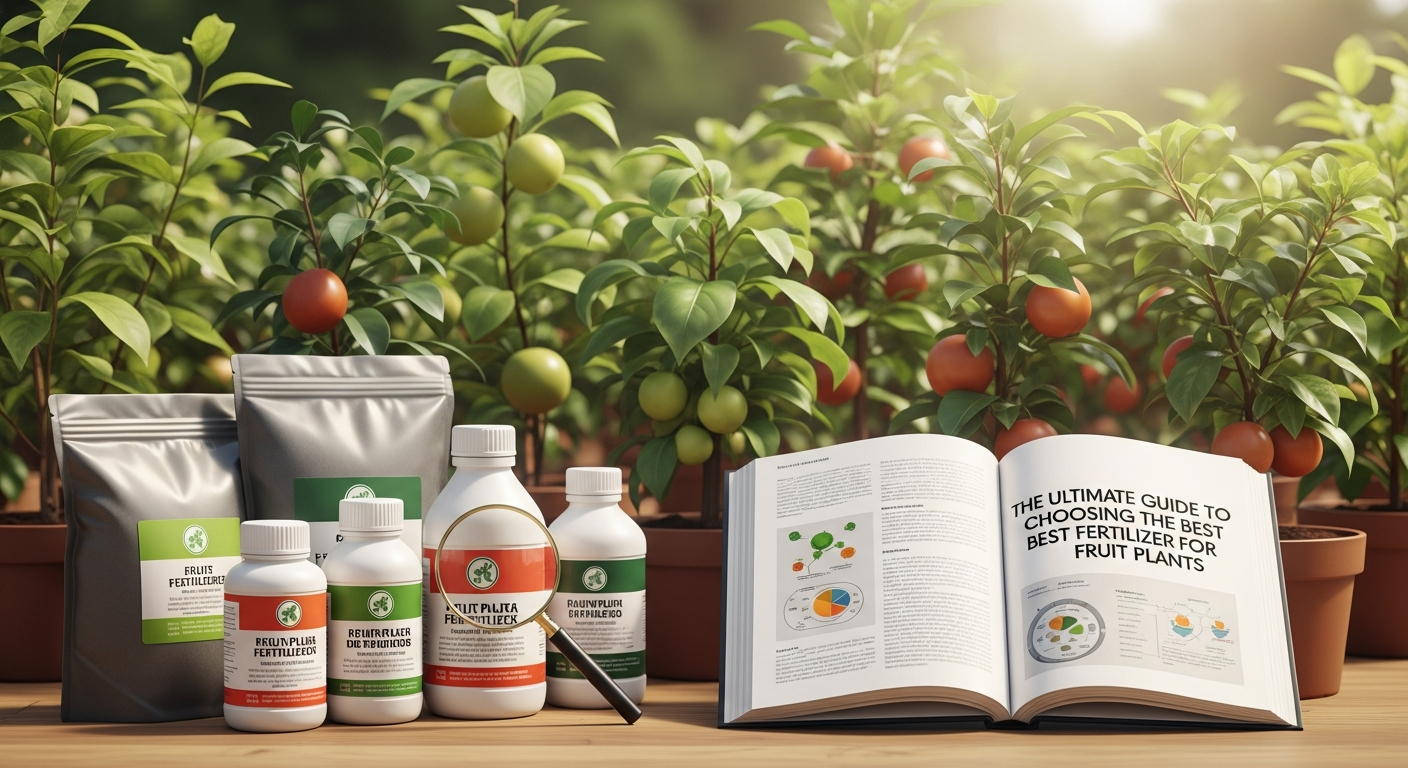
An Ultimate Guide On How To Select The Right Fertilizer For Your Fruit Plants Fruit plants are hungry crops. The fruit plant has been grown for many years, and throughout those years, farmers, orchardists, and backyard gardeners have grown them for their delicious fruits. To be able to grow properly, fruit plants require nitrogen, phosphate, potassium, and other important micronutrients in order to produce lush, healthy foliage and sweet, tasteful fruit harvests. These nutrients enhance plant growth, improve the blooming of flowers and continue the ability of the plants to produce more and higher quality fruit. Therefore, it is critical that these nutrients are included in a Program Of Plant Fertilizer for the fruit plant. The proper application of these nutrients will encourage the growth of fruit plants, such as citrus, berry, mango, guava and apple trees, and they will continue to produce an abundance of high-quality fruit throughout the year.
Understanding the Nutritional Needs of Fruit Plants
Fruit plants need many different nutrients to become strong, grow many flowers, and produce many healthy, sweet fruits. Each nutrient has a specific role like how various types of food will help different ages of humans develop. Essential minerals will help to create thicker roots, improve flowering and enhance the viability of the plant over time.
Essential Nutrients Required for Strong Fruit Growth
citrus fruit plants require several listed nutrient elements for their foundation of growth.
- Nitrogen (N) is needed for the growth of green, leafy foliage.
- Phosphorus is essential for the formation of roots and early stages of fruit production.
- Potassium (K) contributes to the size, sweetness and disease resistance of the fruit produced by a plant.

These nutrient elements provide the foundational structure for continued vigorous plant growth and fruit production throughout the growing season.
Key Minerals That Support Flowering and Fruiting
Like Foxtail supplies B vitamins for energy, tocopherol (vitamin A) and other micronutrient minerals are critical sources of energy for producing fruit.
- The use of calcium will prevent the development of blossom-end rot in tomatoes and peppers.
- The amount of magnesium a plant produces contributes to the creation of chlorophyll, which enables photosynthesis.
- Zinc and boron help improve flowering and pollination.
These mineralized elements assist the fruit plants in transitioning from flower to fruit set without the stress of lack of nutrition.
Ideal NPK Ratio in Fertilizer for Fruit Plants
- Early vegetation stage - Higher nitrogen
- Flowering stage - Higher phosphorus
- Fruit set stage - Higher potassium (Ex: 5-10-15, 8-12-24)
Use an appropriate fertilizer blend in order to achieve a balanced supply of food to maximize both the size, colour and sugar content of your harvest.
Types of Fertilizers: Which One Is Best for Your Fruit Plants?
The fertilizer market offers an overwhelming number of options regarding formulations, and each one can provide similar benefits as the wide variety of millet varieties that help to meet your baby's needs. By determining what type of fertilizer will work best with your crop, you can ensure that your fruit plants are as healthy as they can be and that you get the best possible yields from them.
Organic Fertilizer for Fruit Plants — Benefits and Use
- Used to Improve Soil Structure
- Increase Microbial Activity
- Provide Sustained and Continuous Supply of Nutrients
Compost, Cow Manure, Neem Cake, and Vermicompost (Worm Castings) should be used for long-term soil improvement through Sustainable Agriculture.
Synthetic Fertilizers for Quick Growth and High Yield
- Allow for Fast and Immediate Availability of Nutrients
- Allow for Improved Correction of Deficiencies
- Allow for Rapid Growth of Fast-Growing Fruit Plants
Specifically formulated for Citrus (Orange, Lemon, Lime, and Grapefruit), Berries (Blueberry, Raspberry, Blackberry), Mango, Guava, etc. They are best used when immediate correction of Plant Health is needed.
Liquid vs. Granular Fertilizers: Which Works Better?
All fertilizer types support different types of fruit plants, but each has a unique role within its respective System.

Liquid Fertilisers
- Rapid absorption through leaves and roots
- Ideal fertiliser for fruiting plants requiring "instant food"
- Use during Flowering and Fruit Setting stages
Granular Fertilisers
- Slow-release nutrient supply
- Formerly difficult to apply, yet an improved alternative to traditional granular fertilisers.
- Great for preparing soil prior to planting and providing food for Early Vegetation Stage seedlings.
When and How Often to Fertilize Fruit Plants
Fruit plants use nutrients at the correct time for their growth of new leaves and development of roots and quality fruits. As each different type of millet will serve a different purpose for babies at various stages, fruit plants must be provided with the correct timing of feed application. Timing and frequency of fertiliser application will affect flowering, fruit set, sweetness and yield amounts of fruit from fruit plants.
Seasonal Fertilizing Schedule for Fruit Trees and Bushes
Fruit plants require different nutrients during different seasons.
- Spring-prior to flowering, all types require application of a balanced fertiliser.to stimulate new shoot growth. --Before flowering:
- Pre-flowering: immediately prior to flowering= apply fertilisers high in potassium to guarantee successful fruiting
- Mid-summer: Light feed to promote continued energy.
- Post-harvest: application of organic fertiliser to return soil nutrients destroyed by harvest.
Best Time to Apply Fertilizer for Fruiting Success
The time to apply the best fertiliser will significantly influence how much fruit will be produced.
- Time of application will determine the amount produced by the plant.
- Time before flowering = Bud development stimulation
- Apply during time of fruit-set = Increase in quantity and sweetness
- Time of application after harvest = Prepare any vegetative for future growing season.
The best time to apply fruit plant fertilisers; Early morning or Late evening will limit loss of nutrients to the atmosphere due to evaporation, and also prevent nut burn.
How Frequently Should You Feed Different Fruit Plant Types?
Each fruit plant will have different needs for feeding. Some are considered "heavy" feeders while others will take their feed slowly or at intervals.

How to Apply Fertilizer Effectively for Maximum Yield
By applying fertilizers properly to trees and vines, the plant's fertilizer application and the nutrients in the soil can work together so that the plants receive all the necessary nutrients at an optimal time. With the right application, there will be more blooms, the strongest fruit set, and much higher yields.
Soil Preparation Techniques for Better Nutrient Uptake
Soil condition is the key to effective fertilization.
- Loosen the top 10-15 cm of your soil to improve aeration of the roots.
- Add composts to encourage microbial growth and activity in your soil.
- Know your soil pH. Ideal pH levels are 5.5-7.0 depending on the type of fruit tree or flower.
- Ensure proper drainage is available for your plants to prevent root rot.
Proper Fertilizer Application Methods for Fruit Plants
Fertilizer Application Techniques
- Use the appropriate technique based on the size of the plant and the growth phase of the plant.
- Ring Method: For tree application, create a ring of fertilizer around the tree outside of the base of the trunk.
- Broadcast Method: For berry shrub and bush application.
- Spot Treatment: For small, young fruit plant application.
- Foliar Feeding: For application of micronutrients directly to the leaves.
Watering Guidelines After Fertilizing
Applying Water
Watering after applying fertilizer is very important. Without the proper watering after application, the plant may experience root burn.
- Apply light watering after applying dry fertilizer.
- Be sure not to over water as overwatering may remove nutrients from your soil.
- The best way to ensure deep nutrient delivery is through drip irrigation.
- No heavy watering is needed for foliar applications immediately after application.
The Best Fertilizers on the Market for Different Fruit Plants
Nutritional needs of fruiting types are similar to how different millet types grow and what soil they thrive in, but each has unique characteristics in how they grow and produce (fruiting). Identifying the right fertilizer for fruiting plants will give you healthier plants and stronger roots for producing the sweetest and most flavorful fruit.
The following are the most suitable fertilizers for different types of fruit plants.
Best Fertilizer for Citrus Trees (Lemon, Orange, Lime)
Citrus Trees - Citrus trees are a heavy feeder and have a high demand for fertilizer that is high in nitrogen and has some of the essential trace minerals, such as magnesium, iron and zinc, needed to grow the juiciest fruits.
Why Citrus Fertilisers Work Best:
- Encourages the formation of dark green leaves and encourages continuous flowering.
- Prevents the common problems of yellowing leaves.
- Supports the production of fruit size, flavour and quality of rinds.
Ideal Fertiliser Features:
- An NPK Ratio of 5-2-6 or a blend specifically designed for Citrus.
- An added supply of trace minerals to support balanced fruit production.
- A slow-release formulation designed to provide long-term feeding.
Ideal Fertilizers for Berry Bushes (Strawberry, Blueberry, Raspberry)
Berries - Berry plants prefer a soil with a pH slightly on the acidic side and are also said to respond well to fertilisers that promote the production of more sugars in the berries, increase the colour of the berries and increase the density of the berries.
Why Berry Fertilisers Are Most Successful:
- Promote the growth of sugars in the berries which yields sweeter berries.
- Promote the growth of stronger roots which will allow the berry plant to produce a greater yield.
- Encourages berry plants to have a faster flowering process.
Ideal Features of Berry Fertiliser:
- Fertilisers with an acidic ph of 4-3-6 or similar formulations.
- Organic sources of fertilisers such as composted manure.
- Fertilisers that contain a high percentage of potassium, which enhances fruiting strength.
Recommended Fertilizer for Apple, Mango, and Guava Trees
These trees require a deep food source to produce heavy fruit loads and provide rapid spring growth.

Ideal Features:
- N-P-K Ratio of 8-3-9 or a balanced mix
- Micronutrient supplements like calcium and boron
- Slow-release granules used for steady feeding.
Troubleshooting Common Problems with Fertilizing Fruit Plants
All plants will suffer from nutritional issues if they are fed properly and have bad nutrition, causing growth issues as well as issues with the quality and health of the foliage and fruit. Identifying these issues early allows you to produce a healthier plant and increase yields.
Signs of Over-Fertilization and How to Fix Them
Over-fertilization will damage the roots as well as soft leaves, which will result in lower quality fruit.
Signs of Over-Fertilization
- Burned leaves or brown edges
- Sudden loss of leaves
- Hard dry surface of soil due to a build-up of salts
How to Correct Over-Fertilization
- Flush out the soil with enough clean water.
- Reduce the amount of fertilizer you are putting on the plant by 50%.
- Offset the salt build-up by using organic matter.
Identifying Nutrient Deficiencies in Fruiting Plants
Nutrient deficiencies slow down the production of fruit as well as cause the production of visible symptoms in the leaves, stems, and fruits.
Signs of Nutritional Deficiencies
- Nitrogen Deficiency - Pale leaves and slow growth.
- Potassium Deficiency - Small fruit and weak stems.
- Magnesium Deficiency - Yellowing between the veins.
- Calcium Deficiency - Flower drop and deformed fruit.
What to Do to Correct Nutritional Deficiencies
- Use a balanced fertilizer for all fruit plants.
- Apply micronutrient rich supplements.
- Test the soil for pH and adjust accordingly.
Correcting Poor Growth or Yellow Leaves
Fruit plants that are stunted or have yellowing leaves may be receiving insufficient nutrients or have poor feeding practices.
The Reason Why:
- Because of Poor Feeding Practices -- Possible Reasons are Listed Below:
- Using the Wrong Type of Fertilizer
- Soil Compaction Restricts Root Nutrient Absorption--over-watering causes nutrients to leach from the soil.
- Too Much Watering Preferring Nutrient Availability
- Not Being Correctly Aligned to the Correct Soil pH Level.

FAQs
Q1. What is the best fertilizer for fruit plants?
A balanced, potassium-rich fertilizer (high K) works best for healthy flowering and fruiting.
Q2. How often should I fertilize fruit plants?
Most fruit plants should be fertilized 2–3 times a year, depending on growth and season.
Q3. Can I use organic fertilizer for fruiting plants?
Yes, organic options like compost, manure, and bone meal are excellent for natural fruit development.
Q4. What nutrient is most important for fruit production?
Potassium (K) is the key nutrient that boosts fruit size, sweetness, and overall fruit quality.
Q5. Why are my fruit plants not producing fruit?
Poor nutrition, wrong fertilizer timing, low potassium, or improper soil pH are common causes.
Conclusion: Invest in the Right Fertilizer and Reap a Bountiful Harvest from Your Fruit Plants!
Fertilizing correctly will give you stronger plants that create strong roots and give you the biggest, sweetest and best tasting fruits from your apple trees, mango trees, guava trees and berry bushes+etc. You can have a successful garden season after season when you use a fertilizer that gives you the best blend of potassium, plus good soil management and correct timing of fertilizing. If you are a new gardener or have grown fruits for years, selecting the proper fertilizer will help you enhance the natural fruiting cycle of your fruit trees/bushes and endure the stress of various seasons and the potential for pest infestations/finding the nutrients to produce. When you understand what your plants need and fertilize appropriately, you create a garden that rewards your hard work with fresh, healthy, delicious fruits throughout the seasons. Make a commitment today to use the best fertilizer for growing fruitful trees and shrubs. You will be happy for the product you create and enjoy summer and winter harvests of fresh fruits!