A fungicide is any substance (chemical or biological) that is used to control or eliminate fungal diseases of crops, and it protects plants from those fungi that reduce yield, quality, and overall health of the plant. To put it simply, fungicides are crop protection agents that inhibit the growth of/breakdown of pathogens on the leaves, stems, roots, seeds, and fruits of crops. Pathogenic fungi cause severe crop loss through diseases, such as rusts, blight, molds, and rot, by attacking crops.
Fungicides can either kill or prevent fungal spores from reproducing. Most modern fungicides are specifically designed to target only fungal cells (the pathogens), which means that they can effectively kill the pathogen without harming the crop itself when applied properly.
Fungicides can be applied by seed treatment or foliar spray. Thus, fungicides are critical to modern agriculture because they improve the quality of food and protect crops from disease while sustaining productivity on the farm; therefore, fungicides are vital to the livelihood of farmers throughout the world.
What Is the Definition of Fungicide in Agriculture?
The definition of a fungicide in agricultural terminology is an active ingredient or compound which works as an agent to prevent, stop, or control fungal diseases that impact plants and crops.
Fungicides can provide protection at multiple stages throughout the development of a crop and also maintain quality at harvest; therefore, fungicides are an important part of all modern and traditional farming systems, as they reduce the amount of crop loss to fungi.
Definition of Fungicide in Crop Protection
The term fungicide (for our purposes) refers to a type of crop protection product that aims to kill or inhibit the growth of fungi, while at the same time allowing the plant to continue growing and developing normally when used properly.
The main functions of fungicides in crop protection can be summarized into three categories :
1) preventing the germination of fungal spores,
2) preventing the spread of an existing fungal infection, and
3) preventing an attack on newly emerging plant tissue.
Fungicides fall into two major categories – protective (or preventative) and curative (meaning they can be used after plants are infected), making fungicides an essential tool in protecting crops from fungal diseases during the entirety of a field's growing season.
How Experts Define Fungicides
Fungicides are defined by agricultural scientists and plant pathologists as chemical or biological materials that cause malfunctions in a fungal cell's ability to grow, reproduce, or remain viable.
There are two basic classifications of fungicides:
- Contact fungicides are placed directly on the surface of the plant to help prevent fungal infestation.
- Systemic fungicides get absorbed into the plant's interior and protect the plant from within.

Why the Definition of Fungicide Matters for Farmers
A farmer must have a thorough understanding of the term “fungicide” in order to be able to make sound decisions on the application of this product.
Reasons To Know How To Define Fungicide
- A farmer can choose the best fungicide for the type of fungus he/she has.
- A farmer will know how much fungicide to use, whether he/she is over-using it (damage to the crop) or under-using it.
- A Farmer will learn how to manage resistance due to repeated misuse of fungicides
- A farmer will benefit from improved yields/quality and increased profitability on the farm.
When farmers better understand how fungicides are professionally defined and used, they will apply fungicides in a more responsible manner, provide better protection for their crops and promote healthier soils and plants for future generations.
How Fungicides Work in Agricultural Disease Control
Fungicides are chemicals that destroy the pathogenic fungi that cause infection in agricultural crops' leaves, stems, roots, and fruit by disrupting their life cycle. Fungicides serve three primary purposes: protecting crop health; preventing crop yield loss; and maintaining food quality during the course of crop production.
Because fungicides can be applied either prior to infection or after infection has occurred, they are an important element of managing diseases of agricultural crops.
Mode of Action Explained Using Fungicides
The method of action for Fungicides has been Defined When Discussing Fungicides.
There are Three Ways Fungicides Work Against Fungal Cell(s):
- Blocking the Germination of Fungal Spores
- Interfering With the Formation of Cell Walls in Fungi
- Disruption of Fungal Energy Production
- Preventing the Reproductive Cycle of Fungi
The different ways to target specific biological activity in fungi for Each fungicide allows Farmers to Control a Variety of Plant Diseases as well as to Minimize the Chance of Resistance Development When Fungicide is Applied Correctly.
Preventive vs Curative Fungicides
Understanding the definition of fungicide also involves knowing when and how it works.
Preventive fungicides form a protective barrier, while curative ones move into plant tissue to stop fungal spread. Farmers often use both for complete disease control.

Systemic Movement in Plants
The term 'system move' is a distinguishing characteristic of most recent kinds of systemic fungicides. When defining systemic herbicides as fungicide examples, experts use the following criteria:
- Systemic Fungicides are absorbed into plant tissue,
- They move through either xylem or phloem,
- Systemic Fungicides protect all of a plant's new growth, from within.
By moving through internal systems within a plant, systemic fungicides provide control of already present hidden fungal infections and provide long-term protection against repeated infection from that same fungus (s). Thus, they are very effective in managing and controlling recurring infections.
Main Types of Fungicides Used in Agriculture
Fungicides are typically defined as any chemical product used as a way to protect plants from infection from fungus-related pathogens that negatively affect the health, yield, quality, and marketability of a crop.
Fungicides can be grouped by their mode of action against fungi - i.e. what they do to the fungi - and the way they are absorbed and transported through the plant (in some cases, the way they are applied). Understanding these classifications enables farmers to choose fungicides that will effectively and safely control plant diseases.
Contact Fungicides in Farming
Contact fungicides protect the plant by providing a barrier to the outside world.
- The main characteristics of these products include
- Ability to kill fungal spores on contact
- Products do not get absorbed into plant tissues
- Products are best applied proactively before the onset of disease.
These products meet the definition of a fungicide in being proactive in preventing disease; typically applied to fruit, stem, and leaf tissue to inhibit the growth of fungi at the early stages of infection.
Systemic Fungicides for Crop Health
Fungicides that protect plants internally through a systemic action are defined as Systemic Fungicides. These substances are capable of penetrating plant tissues, and subsequently, these systemic substances are pulled into the plant from within and transported internally.
Benefits of Systemic Fungicides include:
- The ability to provide protection against early stage fungal infections
- The ability to protect developing new growth
- Maintaining disease control for longer periods.
Systemic Fungicides provide an advantage when a fungal infection has already been established or when it cannot be accessed by other methods.
Organic vs Synthetic Fungicides
The modern definition of fungicide also includes both organic and synthetic options.

The Role of Fungicides in Agriculture and Gardening
Fungicides are products developed for the control or management of disease caused by fungi in crops, gardens, and ornamental plants. Fungicide experts recognize that fungicides are necessary to protect crops, ornamental plants, and garden plants from fungal infections that weaken plant growth and ultimately reduce plant productivity.
Properly applying fungicides promotes the continued growth and health of plants, whether in commercial farms or residential home gardens.
Fungicides in Crop Disease Prevention
Fungicides are chemicals that prevent infection by creating a protective barrier against fungal diseases/pests from infecting crops.
They play an important role in the prevention of disease:
- Prevents Fungal Disease Spores From Infecting Crops
- Reduces Spread of Crop Disease
- Protects Leaves, Stems, Roots and Fruits
Fungicide applications are most effective if applied prior to the appearance of crop disease symptoms. Thus, preventive fungicides should be routinely used to maintain healthy crops.
Improving Plant Health Management
Fungicides improve plant health through positive effects on growth and resistance to stress.
The benefits of fungicides include:
- Improved growth and ability to resist stress from fungal infections
- Increased health and vigor of plants due to improved nutrient uptake
The proper use of fungicides, defined and applied at the appropriate times by growers, allows for increased productivity and resilience of crops during the entire growing season.
Economic Benefits for Farmers
The practical definition of fungicide also includes its economic value in agriculture.

By understanding how experts define fungicides, farmers can choose suitable fungicides, lower disease-related losses, and improve long-term farm profitability.
Safe and Responsible Use of Fungicides in Agriculture
Every agricultural producer should know the correct definition of a fungicide before using them for crop protection and production management. The primary purpose of fungicides is to kill or control harmful fungus diseases that can affect crops, and when agricultural producers clearly understand how to define and utilize fungicides safely and responsibly, they can protect crops from fungal pathogens while keeping humans and animals healthy and maintaining a healthy environment for everyone involved in the production process.
Human and Animal Safety Measures
In addition to defining a fungicide, understanding fungicide safety requires strict adherence to specific handling precautions regarding the safe and appropriate use of fungicides.
Safety Guidelines Include:
- Wearing protective clothing, gloves, and masks
- Avoid direct contact or inhalation of the material
- Store fungicides in a separate area from food, potable water, and livestock.
By properly defining and safely utilising fungicides, farmers are able to significantly reduce any associated risk to both human health and livestock.
Environmental Impact of Fungicides
The wider definition of fungus includes the impact on soil, water and non-target organisms.
Examples of the negative effects of bundling include:
- The disruption of the natural balance of microorganisms in the soil
- Contamination of surface or ground (also called aquifers) water due to runoff
- If misused, it can harm beneficial insect populations.

Best Practices for Responsible Use
It is vital to have best practices for sustainable agriculture to achieve a clear definition of fungicide in sustainable agriculture.
- Always use fungicides at labeled rates.
- Use fungicides in a rotating sequence to minimize the build-up of resistance.
- Strictly adhere to the label directions when applying fungicides.
- Do not apply fungicides during times of excessive wind, rain, etc. (high-energy weather conditions that are typical in most parts of the world).
Fungicides can be effectively, safely and sustainably used by understanding what fungicides are.
Common Uses and Applications of Fungicides in Agriculture
Fungicide in Agriculture is defined as the multitude of applications used to protect crops at all stages of growth from fungal infection. Farmers can apply fungicide prior to planting, during the growth of crops, and after harvest, to minimise yield losses, keep crops healthy, and maintain consistent yields. A farmer that has an accurate definition of fungicides is in a better position to take advantage of the strategic application of fungicides to improve both disease control and crop production.
Seed Treatment Applications
Fungicide treatment is when the coating of the seed with a fungicide is done prior to its planting.
Some advantages of using seed treatment include:
- Protection from fungi that infect seeds or the soil in which they grow.
- Improved germination of seed, and improved early growth of the plant.
- Decreased chance of fungal infection during the first phases of growth.
Fungicide seed treatments provide a physical barrier which protects young plants while they develop strong roots and shoots.
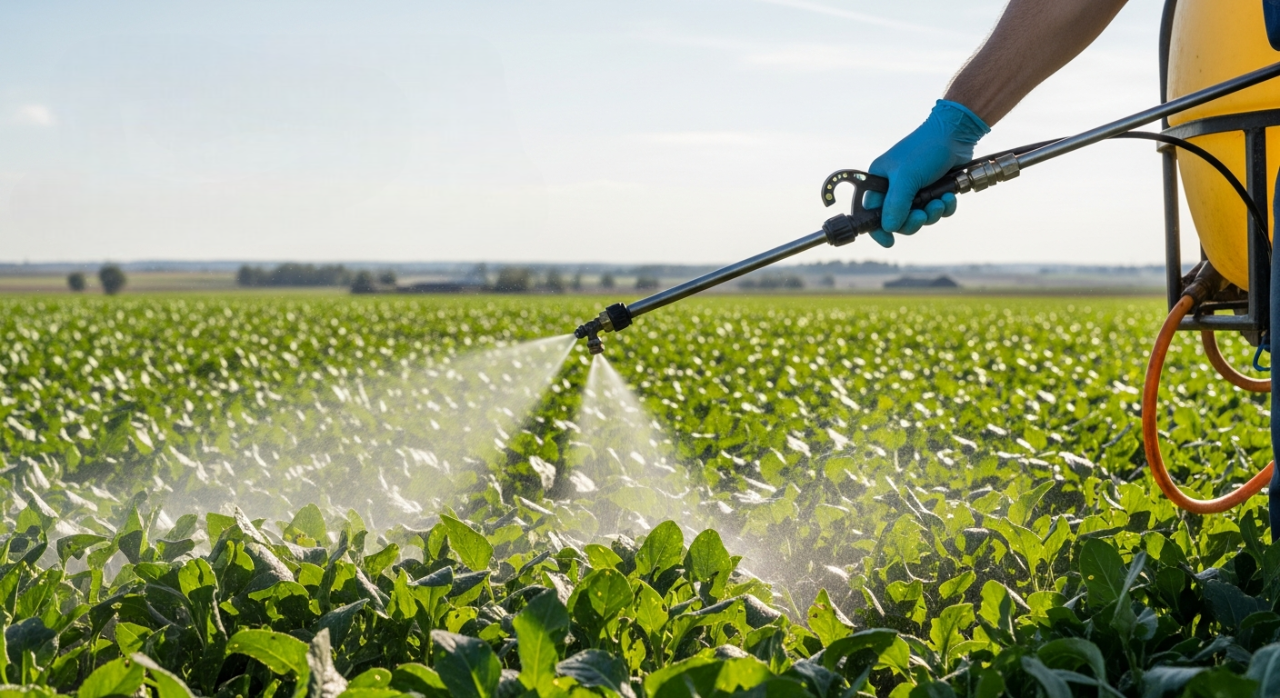
Foliar Spray Applications
When Using a Foliar Spray, its Primary Use Is to:
1. Control Fungal Diseases That Affect Plants' Leaves and Stems
2. Prevent the Spread of Disease Under Uniformly Humid Weather Conditions
3. Preserve Crop Foliage during the Most Important Growth Stages.

Soil Treatment for Root Diseases
A fungicide's definition also covers using fungicides to combat root diseases or soilborne disease by applying the fungicide to the soil.
The benefits of using soil-applied fungicides are:
- Control of soil fungi that attack roots.
- Prevention of root rot and damping-off.
- Enhance the dual functions of nutrient absorption and plant stature.
When farmers understand how professionals define fungicides, they can determine how best to apply the fungicides for maximum effectiveness from root to leaf.
FAQs
Q1. What is the definition of fungicide in agriculture?
The definition of fungicide in agriculture refers to a substance used to prevent, control, or eliminate fungal diseases that affect crop growth and yield.
Q2. Why are fungicides important for crops?
Fungicides protect crops from fungal infections, reduce yield losses, and help maintain plant health and crop quality.
Q3. Are fungicides safe when used correctly?
Yes, fungicides are safe when used as per recommended dosage, timing, and safety guidelines provided by agricultural experts.
Q4. What types of fungicides are used in agriculture?
When experts define fungicides, they classify them as contact, systemic, preventive, curative, chemical, and biological fungicides.
Q5. Can organic farming use fungicides?
Yes, organic farming can use approved biological and natural fungicides derived from plants, minerals, or beneficial microbes.
Conclusion: Why Knowing the Definition of Fungicide Improves Agricultural Decisions
The definition of a fungicide is an important tool for farmers, agronomists and gardeners to use in making informed decisions regarding crop protection and disease management. Once we have a clear definition of what a fungicide is, the role that it plays in protecting plant health becomes more apparent; by properly defining fungicides, we are able to consider fungicides as strategic tools used to protect plant health; improve productivity and reduce crop losses as a result of fungal infections. Defining fungicides allows us to identify which fungicide to apply to which found disease at which growth stage.
A clear understanding of how fungicides work enables farmers to know how to correctly dose fungicides and when to apply them. Proper use of fungicides will help mitigate the risk of developing resistance to the chemicals, protecting the environment and providing for lower production costs. Furthermore, the knowledge of fungi creates greater integration with Integrated Pest Management (IPM) practices and remains a key driver of maintaining healthy soils and improving crop quality as long as yields remain stable.
In conclusion, knowing the definition of a fungicide will improve the decision-making process of a farmer by providing greater quality of crops, protecting farm investments, and ensuring sustainable food production for many years to come. In a time where there is a heightened need for both efficiency and sustainability, an educated use of fungicides will enable farmers to create resilient farming systems that secure the future of their farms and the food they produce.