
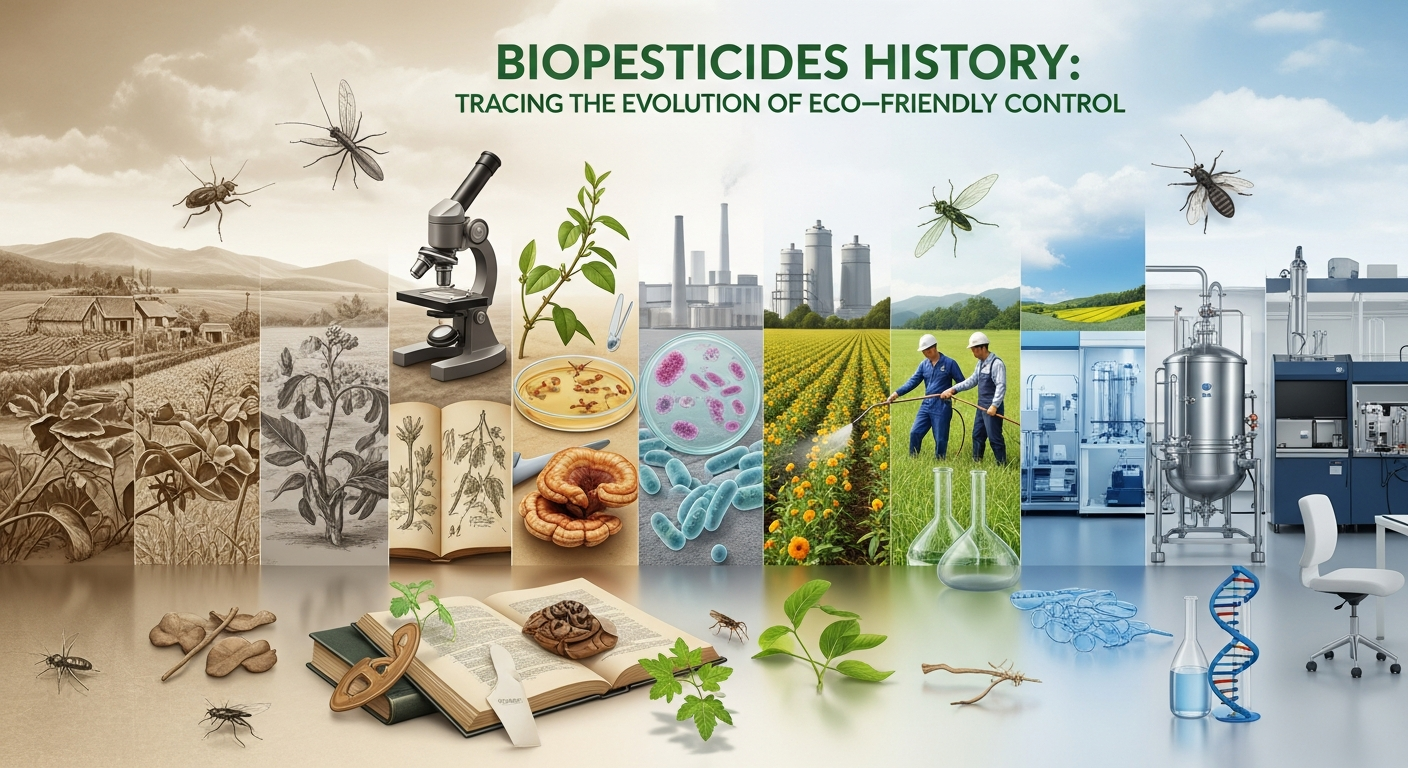
Biologically-Based Pesticides, known as “Biopesticides,” are used as a means of pest management in farming that is good for the environment and provides an all-natural way to control pests. Farmers throughout all areas of ancient civilization utilized the use of beneficial insects; plant extracts, and microbial agents as a means of protecting their crops through natural means long before the advent of modern day chemical pesticides. The early forms of biological control were proven to be safe for the soil, gentle on the environment, and capable of controlling many different types of harmful insects and pests. The scientific study of biological control has continued through the ages and has included the development of what are now various types of modern biological pesticides. In every example from the early days of the use of natural controls and the establishment of Bacillus thuringiensis (Bt) and the other microbial controls of modern times, the continuing evolution in the development of these tools has enhanced their effectiveness in providing a way to produce crops more sustainably and responsibly. Each successive discovery in this process has resulted in a cleaner, greener and more responsible approach to crop protection. So too, has each stage of development using biological controls contributed to the development of sustainable practices in farming that will allow us to continue using these methods for generations to come while protecting the planet for future generations.
Understanding Biopesticides: A Brief Overview
In recent years, farmers have been using biopesticides as a more environmentally friendly way to protect their crops from pests. Biopesticides provide a gentle yet powerful way to protect crops without disrupting the soil, water, or other species of beneficial insects.
What Are Biopesticides? Definition & Purpose in Agriculture
Biopesticides are pesticides that contain ingredients or chemicals that come from nature. They can be made from bacteria, fungi, plants or minerals.
- They work by targeting specific pests in very narrow ways.
- They are biodegradable and will not remain in the environment after they have been applied.
- They will help increase the number of beneficial soil bacteria by promoting a healthy ecosystem.
Types of Bio Pesticides Used in Modern Farming
Each type of biopesticide will provide a different method of pest management and can consist of:
- Microbial biopesticides (i.e. Bt, bacteria, fungi, viruses)
- Botanical biopesticides (i.e. neem, garlic, chrysanthemum)
- Biochemical biopesticides (i.e. pheromones, plant oils, growth regulators
Why Biopesticides Matter for Sustainable Crop Protection
Biopesticides have become important tools for eco-friendly farmers today because they:
- Minimize or eliminate any pesticide residues on food.
- Protect beneficial species such as honeybees and ladybugs.
- Reduce long-term contamination of the soil and develop pest resistance.

The Early Roots of Biopesticides in Agriculture
Prior to the invention of synthetic pesticides, farmers relied upon nature to help protect their crops. The earliest examples of how farmers have protected their crops by using natural methods are very similar to how today’s more advanced forms of biopesticides are produced,
Ancient Biological Pest Control Practices
Natural and biological approaches employed by some of the earliest farmers were mainly based on their observations of nature and included:
- Use of predatory insects (e.g. ladybugs) to control pests
- Use of minerals (ash and/or lime), plant extracts (e.g. neem oil), etc.
- Rotation of crops at the same time with the purpose of breaking the life-cycle of pests.
Early Use of Natural Enemies & Botanicals
The ancient civilizations of China, Egypt, and Greece utilized the following forms of pest management:
- The use of ants to control caterpillars and beetles
- The use of neem oil and botanical pastes to repel insects
- The use of oils (not cooking oils) or burning of herbs (e.g. sage, bay leaf) to protect stored grains.
Traditional Farming Techniques That Inspired Modern Biopesticides
Several age-old techniques continue to influence modern agricultural practices. These include:
- Intercropping.
- Trap cropping.
- Compost tea and fermented plant solutions.

Pioneering Discoveries and Milestones in Biopesticide Development
The evolution of biopesticides over the last several decades resulted from scientific discovery. But each milestone in biopesticides contributed to the development of a safe and eco-friendly method of controlling pests.
Discovery of Bacillus thuringiensis (Bt) and Its Impact
The discovery of Bacillus thuringiensis (Bt) in the early 1900s was a key developmental step for biological insecticides.
- Scientists discovered that the bacterium, Bt, produces a natural toxin which is harmful to specific types of insect pests.
- Through the discovery of the bacterium Bt and the use of its natural toxin, the first successful commercially available microbial insecticide was developed.
- Due to its ability to target only pests, be safe and effective over a long period of time, Bt became the basis for the development of modern biopesticides;
Breakthrough Research That Shaped the History of Biopesticides
As agricultural science continues to develop, researchers began to investigate other living organisms: fungi, bacteria and viruses, nematodes and plant extracts for their potential to control pests.
- Initial research results indicated that pests could be controlled with naturally occurring organisms and without the use of toxic chemicals.
- The interest in the use of natural biological methods as alternatives to synthetic pesticides became a strong interest worldwide.
- These new discoveries have also enhanced the biological pest management industry;
Major Scientific Patents and Early Biological Insecticides
- The emergence of commercial-grade biopesticide production in the mid-20th century resulted from several companies filing patents for various types of biologically-based insecticides.
- The combination of these patents for BT, Trichoderma, and virus-based insecticides sparked global interest in the development of additional biologically-based insecticides.
- The introduction of the first commercially-available biopesticides laid the foundation for the research and development of today’s more sophisticated antibacterials.

The Growth of Commercial Biopesticides: From Laboratories to Fields
As various biopesticides received scientifically proved support, they began their movement from research laboratories to actual agricultural fields
First Commercial Bio Pesticide Products in Agriculture
- The first biopesticide products on the market were all microbial products: Bt products, fungal antagonists and viruses.
- These products gave the farmer "safer options" than before for protecting their crops.
- They also demonstrated that using "natural" pest control could be achieved even over large areas of farmland.
Regulatory Milestones Supporting Global Biopesticide Use
- Around the world, regulatory agencies began creating rules for how to register a biopesticide.
- In the 1960s, the EPA recognized the first Biotech products (Bt products) on the market.
- Countries have all developed frameworks recognizing the safety, in comparison to traditional pesticides, of biopesticides.
Adoption Trends and Market Growth in Sustainable Farming
- The interest in sustainable farming has contributed to the significant growth in biopesticide use around the world.
- The global market value of biopesticides is rapidly increasing.
- Organic farming and Integrated Pest Management programs continue to depend upon biopesticide solutions.

Modern Innovations and the Future Outlook for Biopesticides
Biopesticides continue to evolve into powerful, environmentally safe tools for 21st-century agriculture. So do today's biopesticides support each stage of growth of the plant. These advancements create a cleaner, safer, and sustainable agriculture system. Below are the Major Advancements that have shaped the Future of Biopesticides.
New-Generation Biopesticides and Microbial Advances
New Generation Biopesticides Are More Recommended Than Old Generation Because Of:
- A) They're Stronger,
- B) They're More Stable,
- C) Their Targeted Use.
A New Generation biopesticide Uses Advanced Strains Of Microorganisms Such As
- Bacillus spp.,
- Beauveria spp.,
- & Trichoderma spp.,
All Of Which Provide Long-Term Protection From Insect Infestations By Fungal Pathogens & Soil-Borne Pathogens.
A New Generation Biopesticide Works Naturally & Provides Effective Control Of Insect Infestations While Not Disturbing Or Destroying Beneficial Insect Life Or Soil Health.
Role of Technology in Improving Bio Pesticide Effectiveness
Technology Is Changing The Way Farmers Use Bio Pesticides To Produce Better And More Precise Results.
- Artificial Intelligence (AI) Is Being Used Through Pest Sensors To Identify Infections Early.
- Drones Provide Uniform Distribution Of Bio-pesticides Throughout Fields.
- Smart Formulations Have Resistance Against Both Ultraviolet (UV) And Thermal Fluctuations.
Integration of Biopesticides into Modern IPM Programs
- Integrated Pest Management (IPM): Utilizes Biological, Mechanical, Cultural, And Other Integrated Pest Management Strategies.
- IPM Uses Biopesticides As The Primary Short-Term Solution.
- IPM Reduces The Use Of Chemical Sprays From 50-70%, And Promotes The Re-Establishment Of Natural Predators, Like Ladybug Beetles And Parasitoids.

FAQs
Q1. What is biopesticides history?
It refers to the timeline of how natural pest-control methods evolved into today’s modern bio pesticides.
Q2. Why is understanding the history of biopesticides important?
It helps farmers see how sustainable, natural pest control developed and why it’s vital for modern agriculture.
Q3. When were bio pesticides first used in farming?
Their roots go back thousands of years through natural pest remedies and biological control practices.
Q4. What was the biggest milestone in biopesticides history?
The discovery of Bacillus thuringiensis (Bt), which revolutionized biological insect control.
Q5. Are modern bio pesticides more effective than earlier versions?
Yes, advancements in microbial science and formulation technology have greatly improved performance.
Conclusion: Embracing the Legacy and Potential of Biopesticides for Sustainable Agriculture
Biological pesticides have existed for thousands of years and have changed to become scientific tools that can be used in agriculture. They are an effective and environmentally-friendly replacement for ordinary chemical pesticides. To understand how far agriculture has developed toward sustainable agriculture practices, we must look at the history of biological pesticides and see how much potential is still ahead of us.
Biological pesticides will remain an integral part of protecting our crops, protecting our soil health, and reducing our impact on the environment. With a commitment to obtaining the benefits of this legacy, adopting biological pesticides more widely will create a pathway for agriculture's future toward a cleaner, safer, and more sustainable way of doing business.