
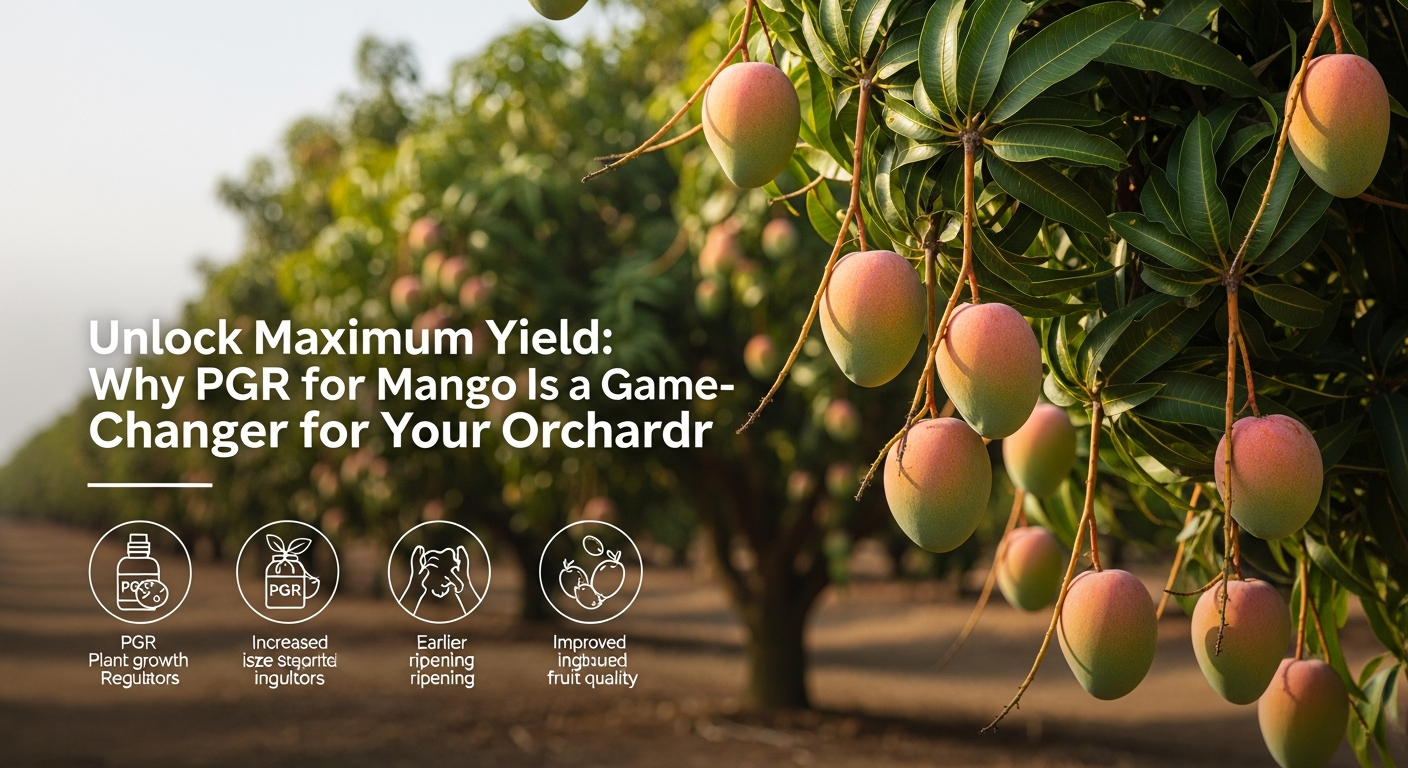
PGRs (Plant Growth Regulators) are powerful agricultural tools that allow plants to grow quicker, stronger, and more efficiently than ever before. Modern farmers and growers utilize PGR products that are vital for managing the growth and development of plants from the time they start until harvest is complete.
The highest quality PGRs are manufactured to provide all necessary nutrients needed for critical plant growth processes such as root development, cell division and differentiation, flowering and fruiting, and resistance to various stressors (insects/disease/temperature). Even in small doses, the best PGRs will drastically improve a plant's ability to take up and utilize available nutrition.
The right PGR fertilizers are also very easy to apply and result in rapid plant response. This helps achieve balanced growth while placing no additional stress on the entire plant system. Because of this, PGRs are the smart choice for optimizing productivity and crop quality.
From auxins to gibberellins to cytokinins to other natural bio-stimulants, the highest quality PGR products contain everything one needs to produce healthier plants and much larger yields - the natural way!
Understanding PGR Nutrients: What They Are and Why They Matter
Just as a proper diet supports healthy human development, PGR nutrients guide plants through all critical phases of development. The finest PGR nutrients serve as biological signals that communicate to plants when to grow roots, how to form leaves, and when to bloom/produce fruit. When utilized appropriately, PGR solutions can assist with increasing the effectiveness of growing plants, balancing their growth, and producing higher yields on all types of farms.
Unlike traditional fertilizers, PGRs do not directly provide nutrients to plants – they merely increase the ability of plants to utilize nutrients, which will be an important factor in conjunction with conventional fertilizer programs.
HWhat Are PGR Nutrients in Plant Growth?
PGR (plant growth regulators) are either natural or artificial compounds that change how plants grow at very low levels. They do not add nutrients to the plant; they control how the plant grows.
PGR nutrients have several important features:
- They control how the cells divide, elongate and differentiate (make themselves into different types).
- They can influence how many roots a plant has, how the shoots grow, and how/when flowers will bloom; and how/when fruit will ripen.
- They can be used in small amounts but have a very big effect.
- They can be found naturally from natural products and also artificially as well.
Some of the most common PGR nutrients are auxins, cytokinins, gibberellins, ethylene and ABA; each of those have their own specific functions for plant growth.
Why Plants Need PGRs Alongside Nutrition
Fertilizers supply plants with nitrogen, phosphate, potash and all the micronutrients they will need; however, they still require the ability to successfully grow using these nutrients. Plant Growth Regulators (PGRs) assist in providing this required direction to successfully utilize the fertilizers.
Why PGRs Are Important in Conjunction with Fertilizers:
- Increases the amount of nutrients absorbed/utilized
- Allows for balance between vegetative/reproductive growth
- Minimize the stress experienced from heat, drought or transplanting
- Enhance uniformity and quality of the crop.
Through a combined effort of both an appropriate nutritional program and a PGR program, plants will be able to utilize the nutrients they receive and produce measurable results such as increased yield, improved size and enhanced quality.
Role of PGRs in Gardening, Farming, and Hydroponics
Plant growth regulators (PGRs) can be very versatile and allow for many different uses throughout different growing systems from home gardening to commercial farming to controlled growing in hydroponic systems.
Different ways to use them in different types of systems:
- Gardening: Better root formation, more compact growth, better flowering
- Farming: Higher yields of more uniform crops, less damage to crops caused by environmental stresses
- Hydroponics: Growth that can be controlled, shorter growth cycles, increased nutrient uptake efficiency

Key Types of PGR Nutrients and Their Functions
Plants depend upon specific PGR's nutrients in order to grow, flower, and yield good quality crops - similar to how millets provide babies with necessary nutrients throughout their stages of development. Knowing what types of PGR nutrients work well together, and what specific role each type plays in growing a healthy plant, allows you to apply the correct PGR fertilizer at the correct time to achieve maximum benefit.
PGR's nutrient Types include those that control a variety of physiological processes within a plant; therefore, they are essential tools in modern agricultural nutrient application programs.
Auxins, Gibberellins, and Cytokinins Explained
The three main types of plant growth regulators (PGR) are auxins, gibberellins & cytokinins. These are the primary nutrients that drive healthy, vigorous plant growth.

These three combined nutrients form the basis for the best PGR nutrients used in the vegetative and flowering stages of a plant's life.
Ethylene and Abscisic Acid in Plant Regulation
The Plant Growth Regulators (PGRs) ethylene and abscisic acid (ABA) play equal roles in regulating later stages of plant growth and in responding to stressful situations that affect plants; therefore they are both very important PGRs.
Ethylene
- Regulates how fruit ripens (ripening/colour process)
- Synchronises the maturity of fruit = allows fruit to be harvested all at once
- Will improve the marketing quality of fruit
Abscisic Acid (ABA)
- Regulates how crops respond to stresses (drought, salt)
- Reduces amount of water loss (regulating stomata)
- Will help crops to survive under unfavourable conditions
The above PGRs help ensure that a plant maintains a proper balance (growth vs survival) throughout its life.
Synthetic vs Natural PGR Nutrients
Both synthetic and natural forms are part of the best PGR nutrients, but they differ in source and application style.

Science Behind the Best PGR Nutrients
Nutritional functions of PGR Solutions at the biological level within the human body also take place at the hormonal level with plants. The best Plant Growth Regulator (PGR) nutrients manipulate internal plant signals, which control growth rate, structure and productivity. When applied correctly, PGR fertilizers produce a more even, efficient growth, yielding a healthier crop and greater yield.
Learning the PGR science provides the grower an opportunity to incorporate more sophisticated uses of PGRs instead of relying on random application.
How PGRs Influence Hormonal Balance in Plants
Plants can produce their own hormones which allow them to regulate growth, but when environmentally stressed or nutritionally imbalanced, the system may become disrupted. The addition of PGR's assists in restoring and optimizing plant hormone balance.

The most effective PGR's mimic or stimulate the production of natural plant hormones and help direct the plant to grow efficiently with less chance of the plants becoming exhausted.
Yield Improvement Through Controlled Growth
Poorly-controlled plant growth will generally result in weak stems and poor flowering or uneven yields. Application of PGRs helps you control plant structure and energy movement.
Ways PGRs Assist Yield Improvement
- Redirect energy toward productive growth
- Reduce excessive vegetative growth
- Enhance flower retention and fruit set features
- Increase nutrient-use efficiency
Controlling where and how crops will grow through the use of PGR fertilizers allows for more energy to go towards producing yields instead of for producing excessive foliage.
PGR Impact on Flowering and Root Development
A PGR can affect both flowering and root development, which are two significant contributors to yield and will be affected by PGR Nutrients in both cases.
Impact on Root Development:
- Enhanced root systems (increasing strength [root system stability/structure] and depth)
- Improved water/nutrient uptake through greater root mass
- Improved drought and transplant to increase transplant success
Impact on Flowering:
- Early flowering/flowering at the same time
- Less flower drop
- Increasing fruit size/quality of fruit.

How to Use PGR Nutrients Effectively and Safely
Using PGR nutrients effectively and safely involves two key points. First, supplying a plant with adequate nutrition promotes normal growth; in other words, a plant will grow faster, yield higher volumes of food, and produce higher quality food if it receives the right amount of PGR nutrition at precisely the right times. Second, by applying PGR nutrients properly, growers are assured that their crops will develop normally with no risk of experiencing any abnormal circumstances or levels of stress.
To obtain maximum benefit from PGR nutrition, it is essential that growers understand how much to apply per plant and at which points during growth to make such applications, and the types of common mistakes or wrong techniques that first-time users of PGR fertilizer make.
Correct Dosage Guidelines for Best Results
PGRs have a strong concentration, therefore they work effectively in small amounts or sizes. Using more than what is indicated does not provide added benefit, and can also be detrimental to the plant.

Best Timing for Applying PGR Nutrients
When PGR nutrients are applied to plants, the timing of that application is critical in determining whether those plants will respond favorably to the application or respond negatively to the application based upon their point of development (stage of growth).
- Seedlings – Auxins will promote good root growth
- Vegetative (V) – Auxins and Cytokinins will promote overall plant growth and balance
- Flowering – Cytokinins will promote flower retention
- Fruiting & Maturity – Ethylene is used for the ripening of maturity and ABA for the control of plant stress.
In addition to providing proper stage-specific nutrients to your plant(s) during PGR Applications in order to improve absorption of those nutrients, performing this application during the proper growth phase (plant activity) will also improve the plants' response.
Common Mistakes to Avoid When Using PGR
When Using PGRs There Are Several Mistakes to Avoid.
Even good PGR nutritionally will not perform well if they are being misused. By not making some common mistakes, you ensure safe, efficient results with PGRs.

Using PGR as an adjunct to help maintain plant balance will provide long-term productivity.
PGR Alternatives: Natural Options for Growth Regulation
Similar to how eating healthy promotes a healthy rate of growth, many agricultural businesses are now using natural Plant Growth Regulating (PGR) alternatives to regulate the growth of their plants in a safe and sustainable manner. When compared to synthetic products, natural alternatives provide superior PGR nutrient properties (i.e., long-term soil improvement, resilience against environmental stresses, and overall balance) and when used in combination with traditional PGR fertilizers will positively influence the development of the plant.
Natural PGRs are gaining acceptance among growers who follow organic farming, no-residue farming, and sustainable growing practices.
Organic and Bio-Based Growth Enhancers
Organic and bio-based growth modifiers are used as natural plant growth regulators (PGR) that provide nutrients that stimulate hormone production and metabolism in the plant through the use of less harsh chemical products.
Some examples of common natural PGR alternatives include:
- Seaweed extracts - contain a high level of naturally occurring auxins and cytokinins that stimulate growth.
- Humic and Fulvic Acids - they help to promote root development and increase uptake of nutrients.
- Amino Acids - they promote plant recovery from stress and support metabolism.
- Microbial Stimulants - enhance hormone production and improve soil life.
- Botanical Extracts - promote flowering and improve plant vigor.
When combined together as bio-based products, these natural alternatives are considered by many to be some of the best PGR nutrients for increasing crop resiliency and plant health.
Natural vs Chemical PGRs: Which Is Better?
Both natural and chemical PGR products serve important roles, but the choice depends on farming goals, crop sensitivity, and sustainability priorities.

Integrating Natural PGRs into Farming Practices
Natural Growth Regulators (PGR) perform best if they are also appropriately utilized within current plant nutrition & crop management practices.
Best Natural PGR Integration Practices:
- Natural PGR should be considered for use with crops in the early growth stage and in periods of stress.
- Apply natural PGR in conjunction with fertilization with both macro and micronutrients.
- Foliar application and soil-drench method improves the absorption of natural PGR.
- Monitor the response of crops to determine whether or not you need to adjust the frequency of application.

FAQs:
Q1. What are the best PGR nutrients?
The best PGR nutrients include auxins, cytokinins, gibberellins, ethylene, and abscisic acid, each supporting different growth stages.
Q2. Is PGR fertilizer the same as regular fertilizer?
No, PGR fertilizer regulates plant growth processes, while regular fertilizers supply nutrients like NPK.
Q3. Can PGRs increase plant yield and quality?
Yes, proper PGR use improves flowering, fruit set, nutrient efficiency, and overall crop quality.
Q4. Are PGR nutrients safe for edible crops?
Yes, PGR nutrients are safe for edible crops when used at recommended dosages and timings.
Q5. Are natural PGRs as effective as synthetic ones?
Natural PGRs work more gradually and support soil health, while synthetic ones act faster; both are effective when used correctly.
Conclusion: Transform Your Garden with the Best PGR Nutrients Today!
The right kind of PGR nutrients can completely transform the growth, flowering, and yield of your plants. By working on a hormonal level, PGR solutions help create stronger root development, healthy foliage balance, and healthier flower and fruit development in your plants. Combined with proper growing techniques and nutrients, PGRs will help your plants be able to produce efficiently and to make every input they receive be of maximum benefit.
By incorporating PGR fertilizer into your gardening or farming routine, your plants will utilize nutrients that are available to them more efficiently and will develop better stress tolerance during periods of extreme heat, drought, or transplant shock. Selecting the proper type of PGR and applying it at the proper stage will both ensure steady growth without causing extreme disturbances to the plant's growing system.
By knowing what the plants need and using PGR nutrients in a responsible manner, you can create healthy plants with high yields and high-quality produce. Through good planning and continued application, PGR technologies can be utilized as wonderful partners in building a productive, sustainable, and healthy garden methodology.